Why a Solid Emergency Gear Checklist Matters for Any Adventure
Whether you are heading into the backcountry for a weekend or simply want your household ready for a power outage, the difference between a stressful situation and a manageable one usually comes down to preparation. An emergency gear checklist gives you a repeatable system: you know what you have, where it lives, and how to use it before you ever need it. That calm comes from planning, not luck.
The best checklists are built in layers. A small kit covers the essentials you carry every day, a larger kit handles a weekend trip, and a full system supports your home or vehicle for days at a time. Below, we break down the core categories every checklist should include and how the right tools fit together.
Core Survival Systems: Water, Fire, and Power
These three categories keep a human body functioning. Prioritize them in every kit you build.
Water and Food
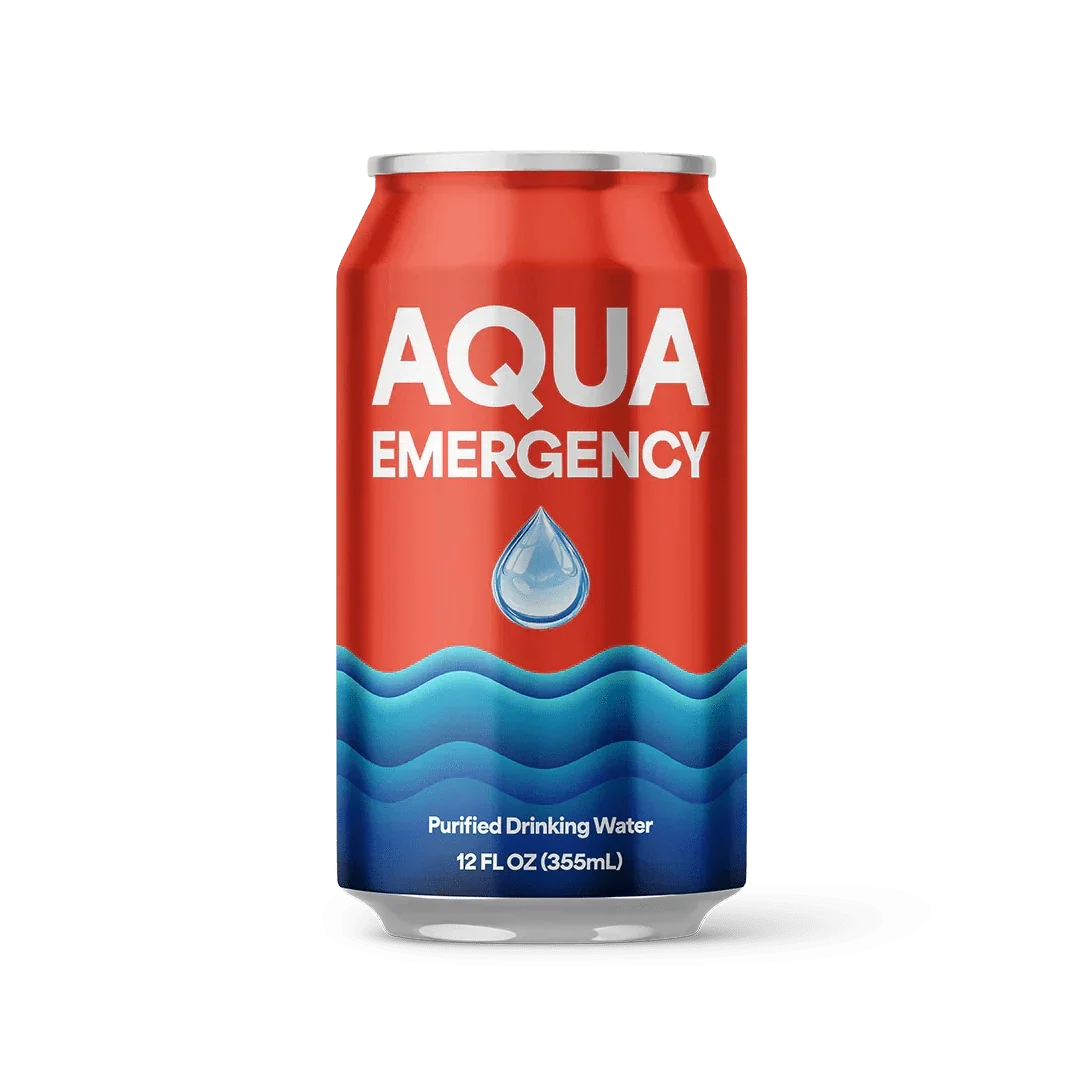
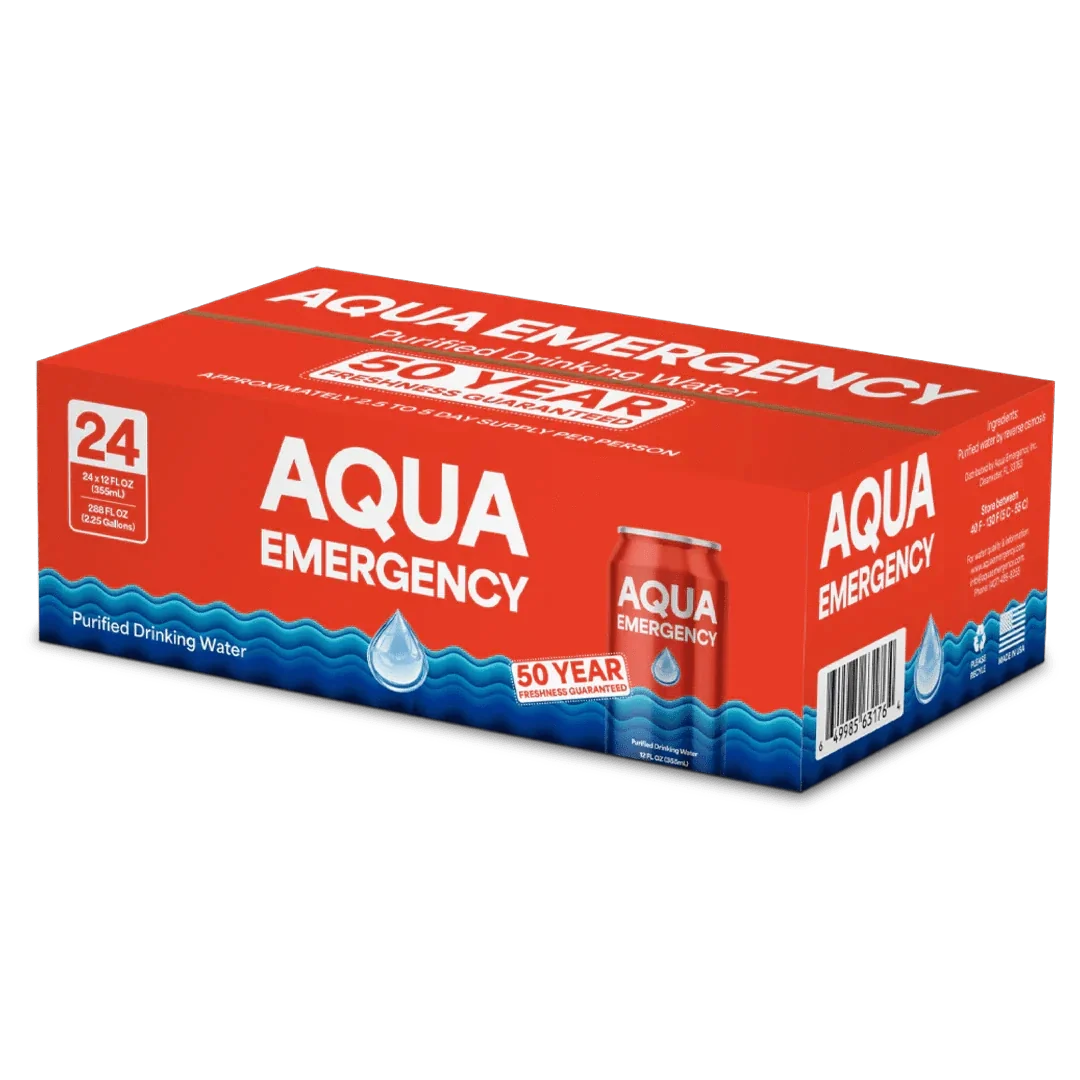
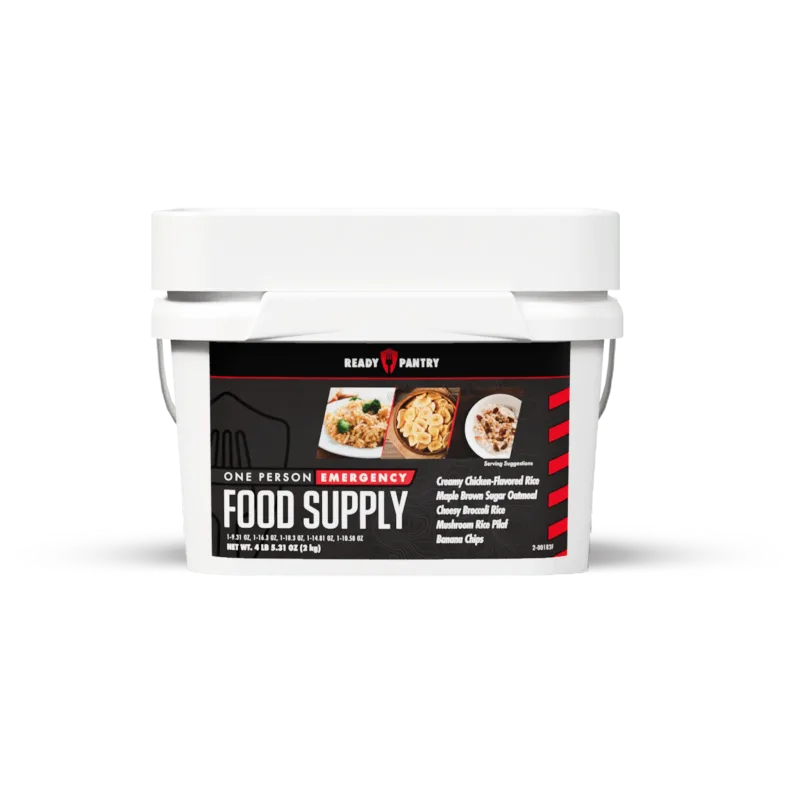
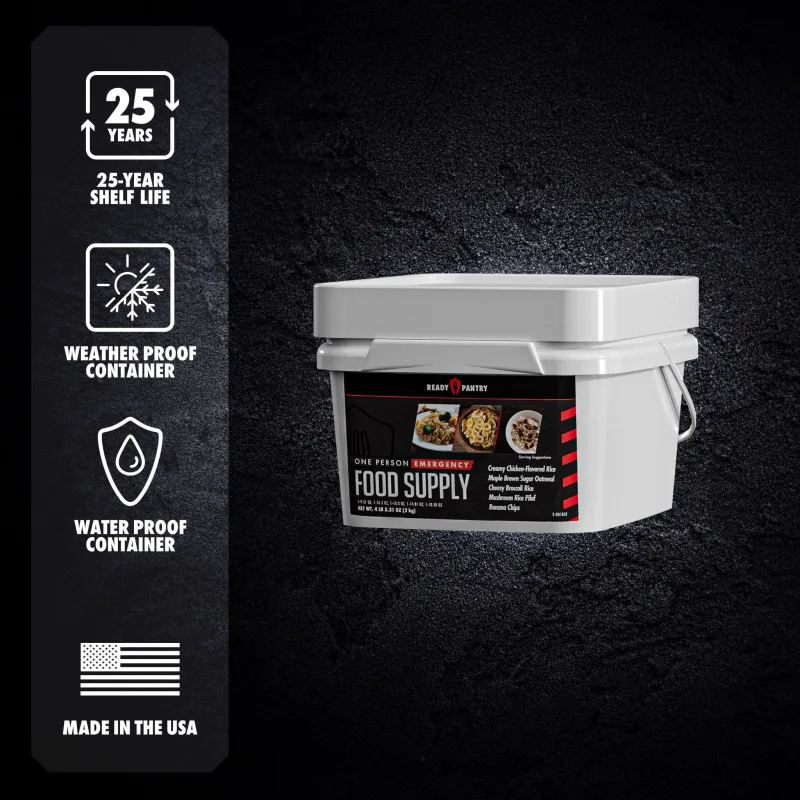
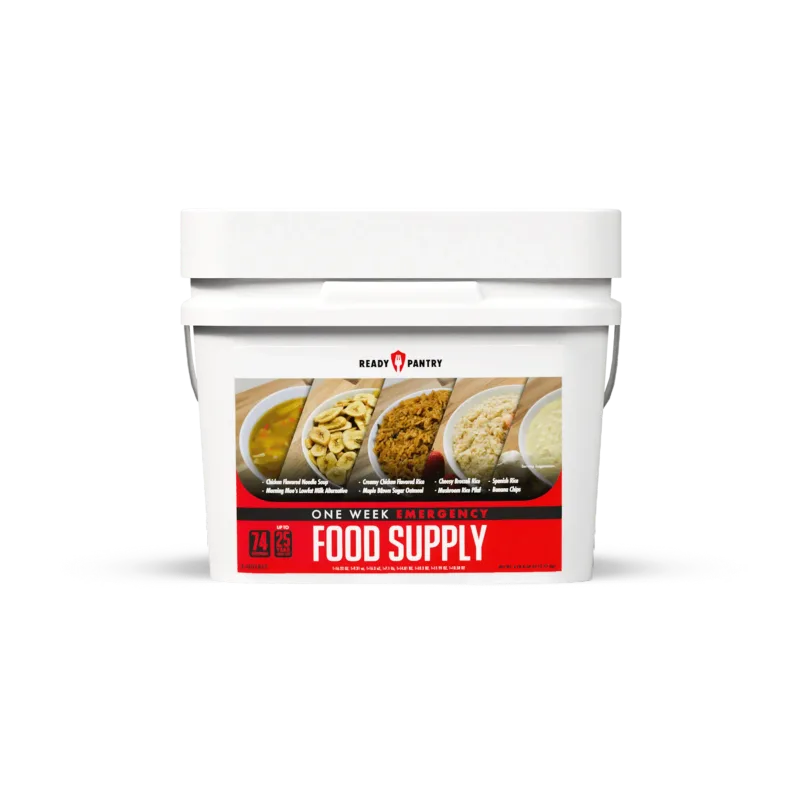
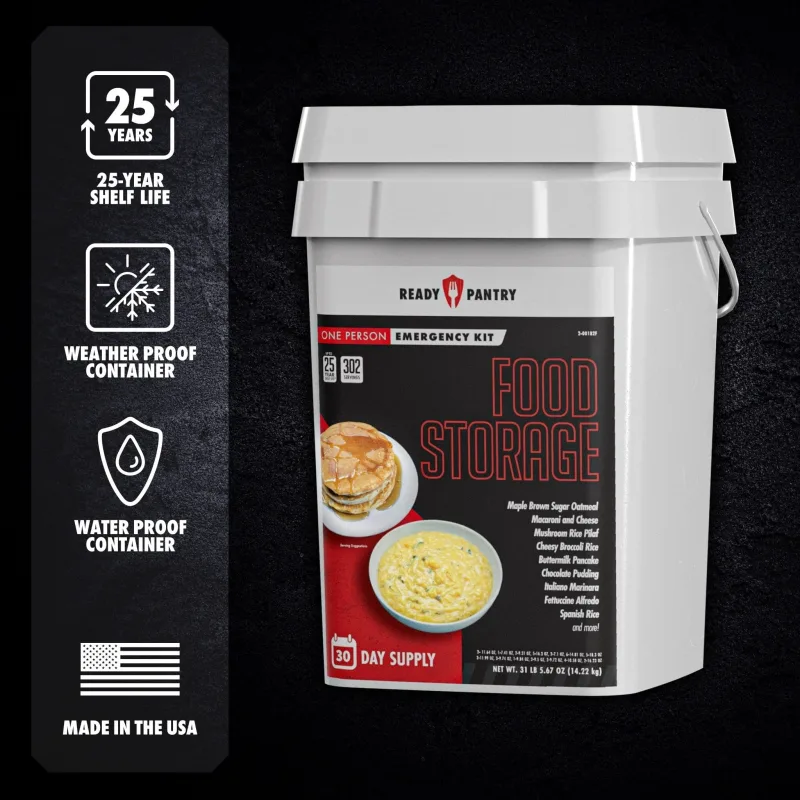
Plan for at least one gallon of water per person per day, plus a way to treat water you find. Shelf-stable food removes the guesswork from meal planning during an emergency. A 12 oz Emergency Water (24 Pack) is a simple way to store drinking water without rotation headaches, and a 3 Day Food Supply covers the first critical stretch of any disruption. For longer coverage, a One Week Food Supply or One Month Food Supply extends your readiness window considerably.
Light, Heat, and Fire
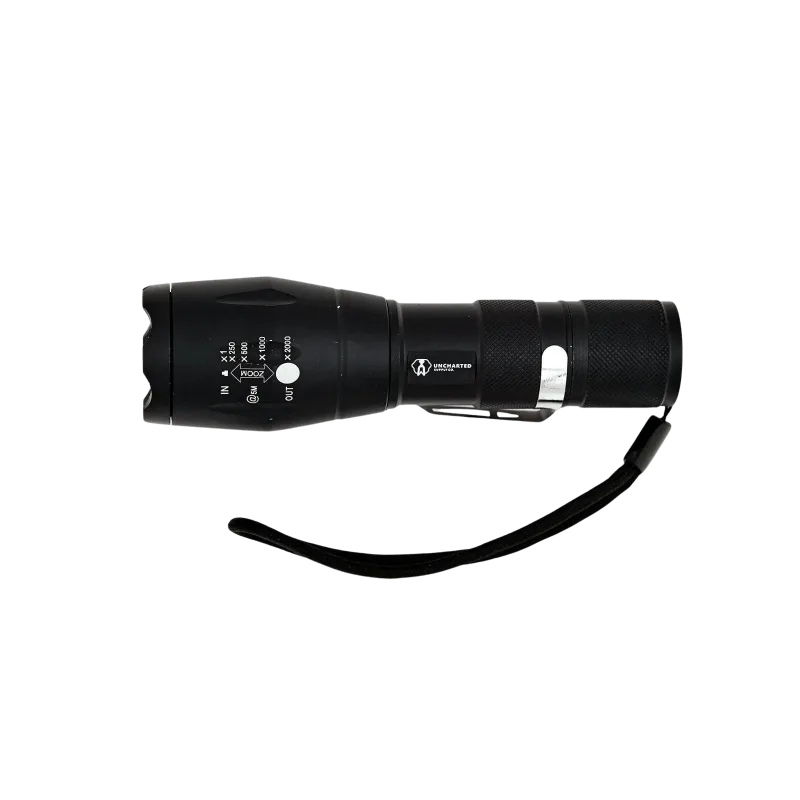
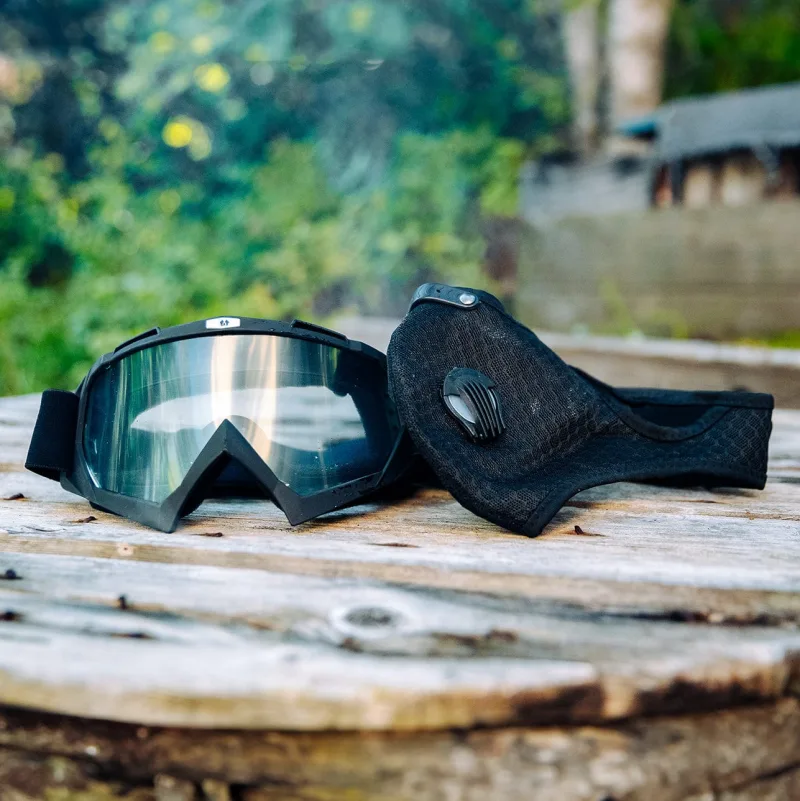
Fire starters, waterproof matches, and a reliable light source belong in every kit. A Tactical Flashlight handles everything from power outages to late trail returns, while a compact Safety Goggles pair protects your eyes during debris clearing or fire starting. Store fire supplies in a dry bag so moisture never ruins your backup plan.
Power
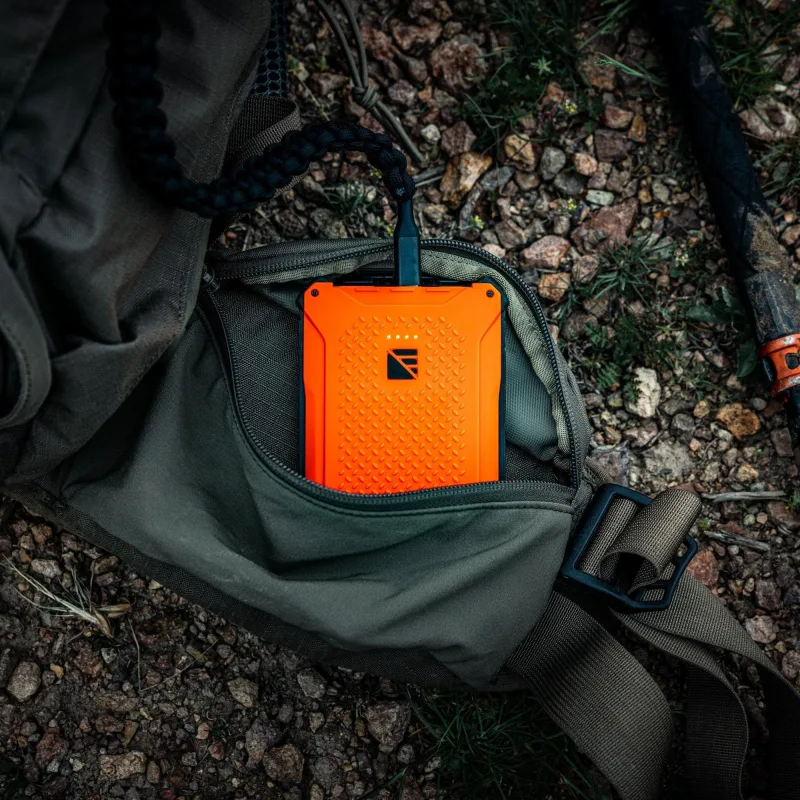
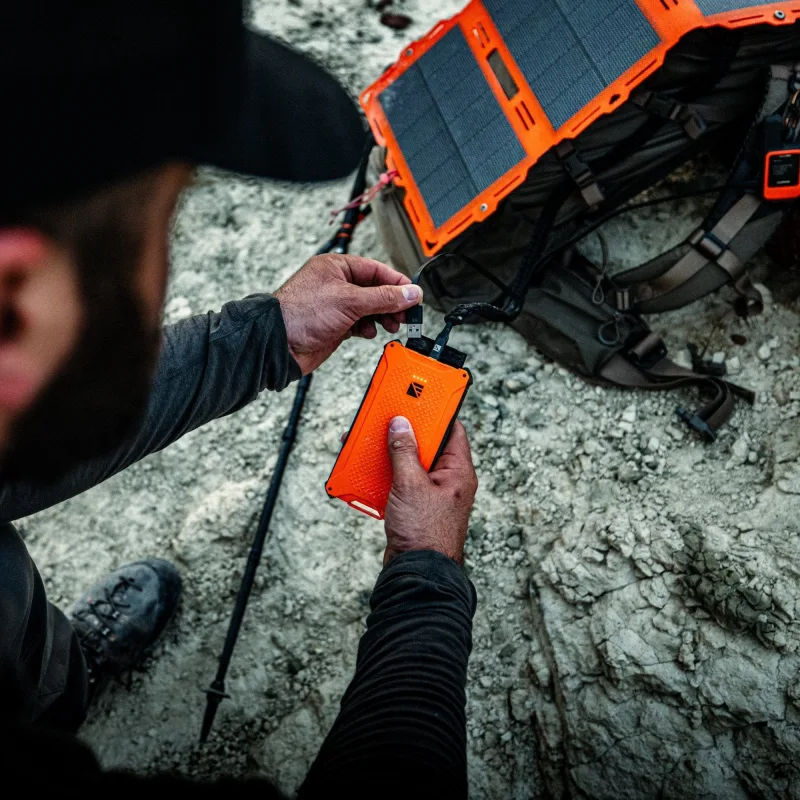
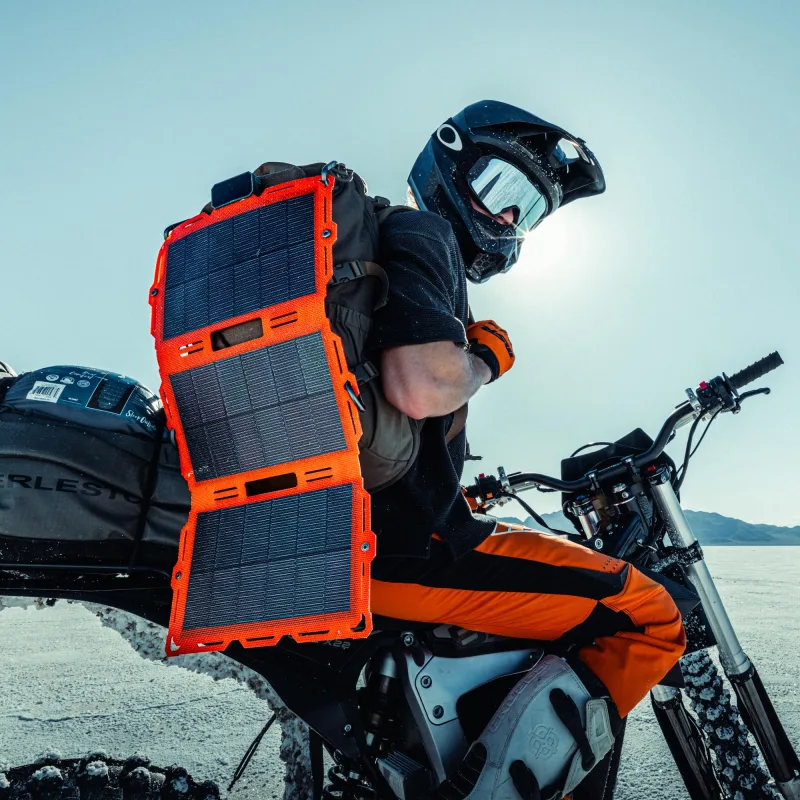
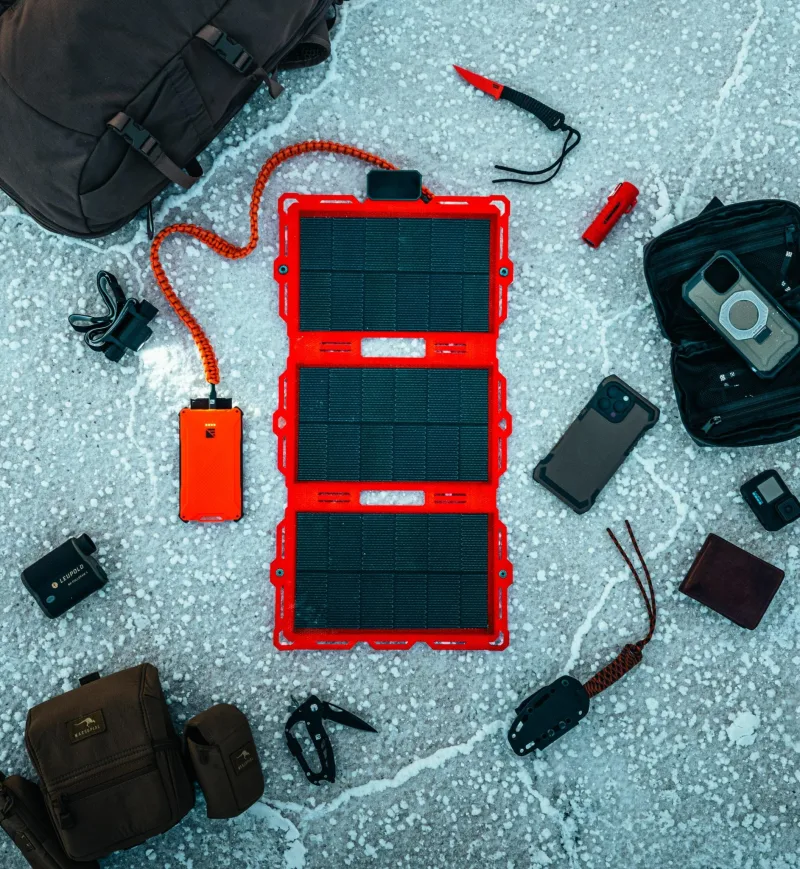
Modern kits depend on charged devices. A Poseidon Pro Power Bank keeps phones and radios alive, and a Spectre 18W Solar Panel lets you recharge without a wall outlet. If you drive, a The Zeus Pro Jump Starter solves the most common roadside failure before it becomes a crisis.
Tools, Knives, and Recovery Gear
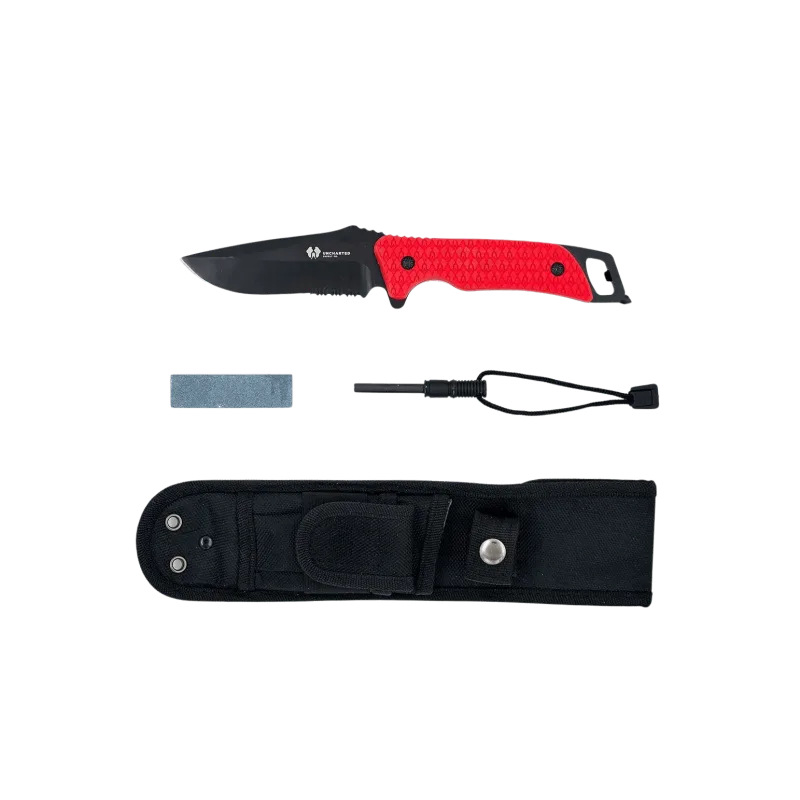
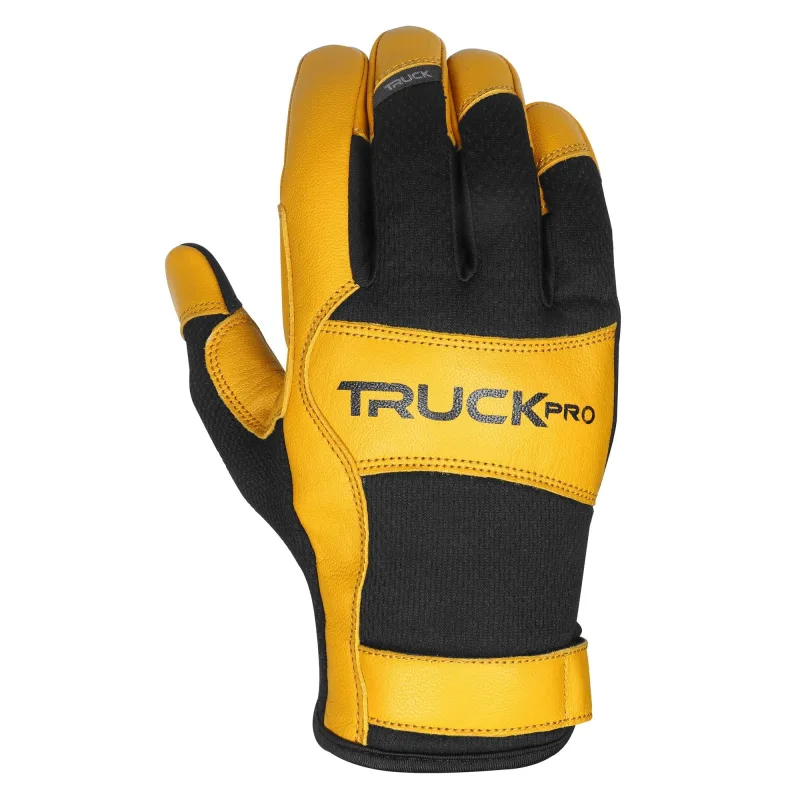
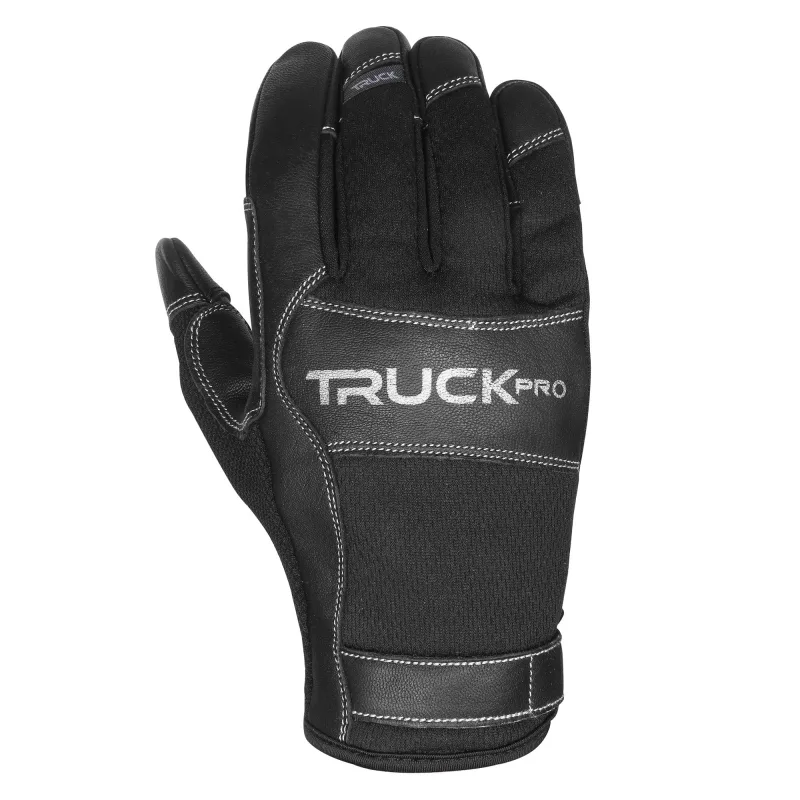
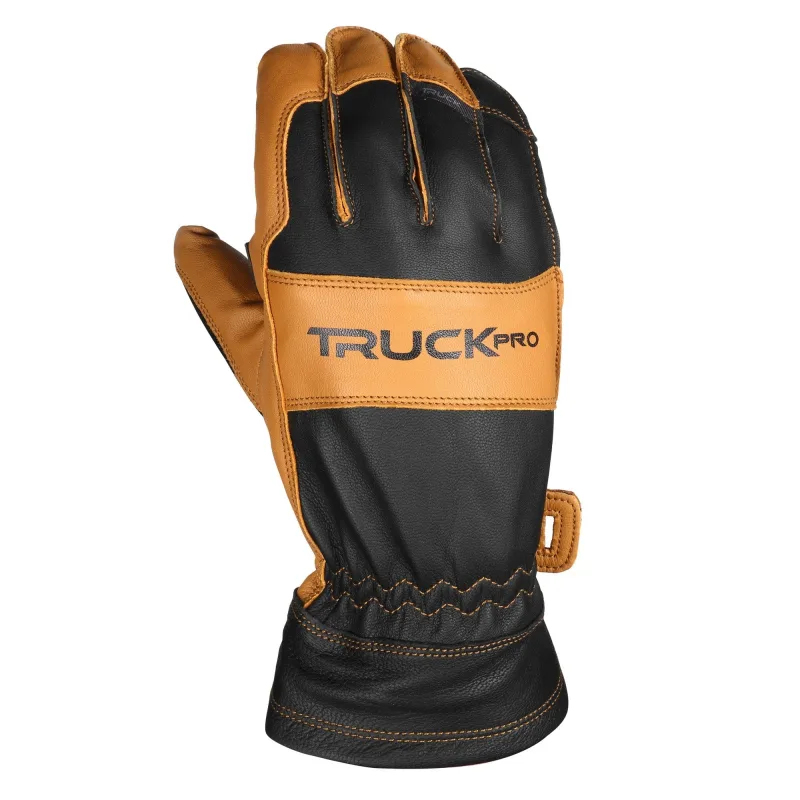
Hand tools turn problems into tasks. A quality fixed blade, a multi-tool, and a pair of work gloves cover the majority of field repairs and camp chores. The Empire Knife is built for hard use, and the WG Work Glove protects your hands while you work.
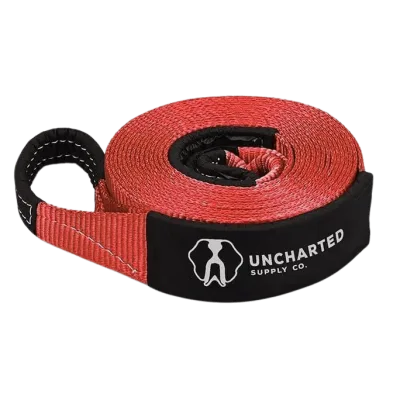
If your adventures involve a vehicle, recovery gear is not optional. A The Extractor - Tow Strap gives you a safe way to get unstuck, and a M4 multi-tool keeps fasteners tight and gear functional. Pack these alongside your first aid supplies so everything is reachable in one place.
Navigation, Communication, and Solar Charging Essentials
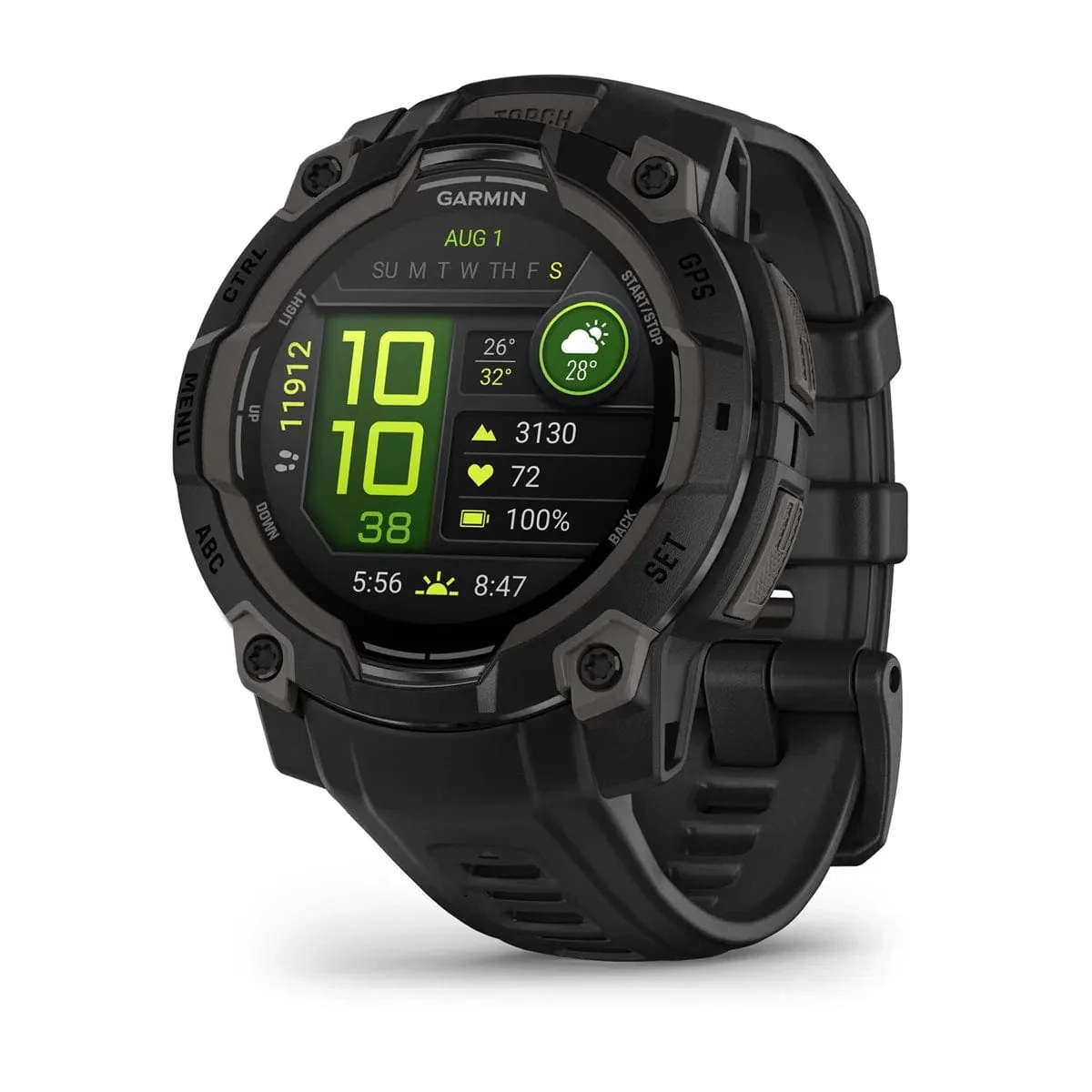
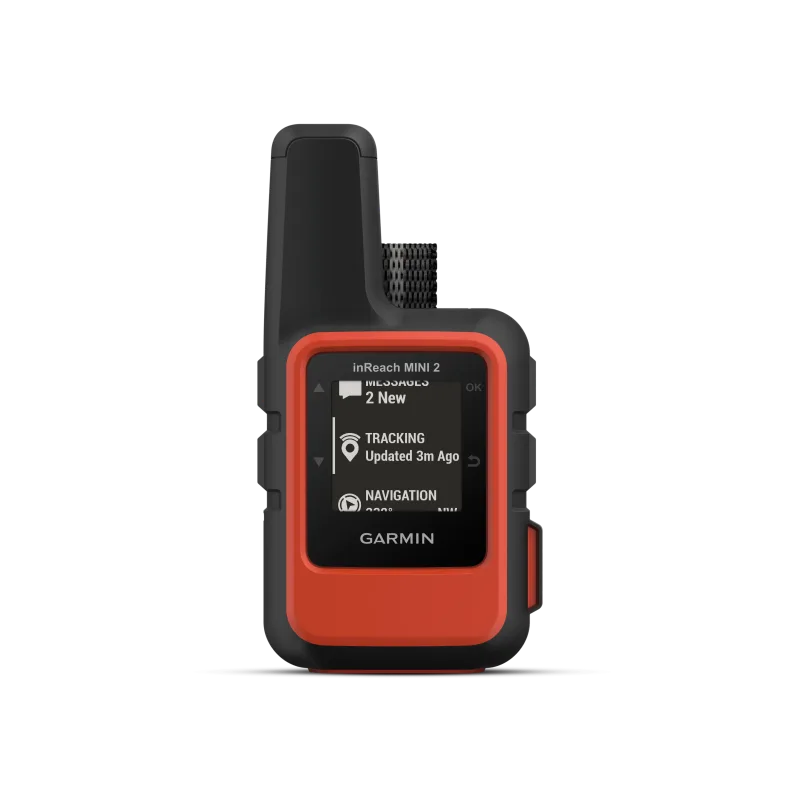
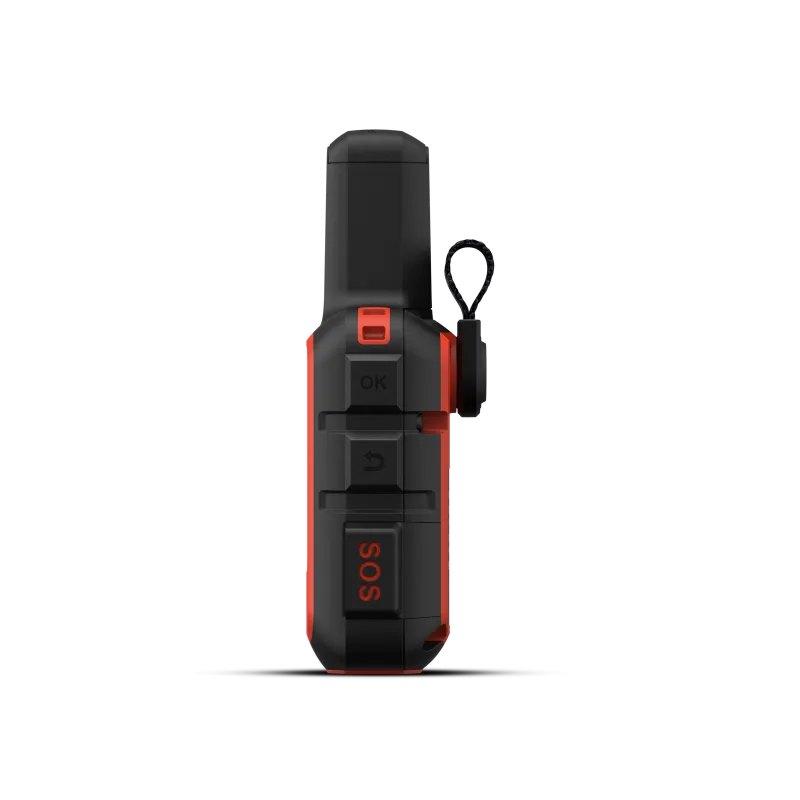
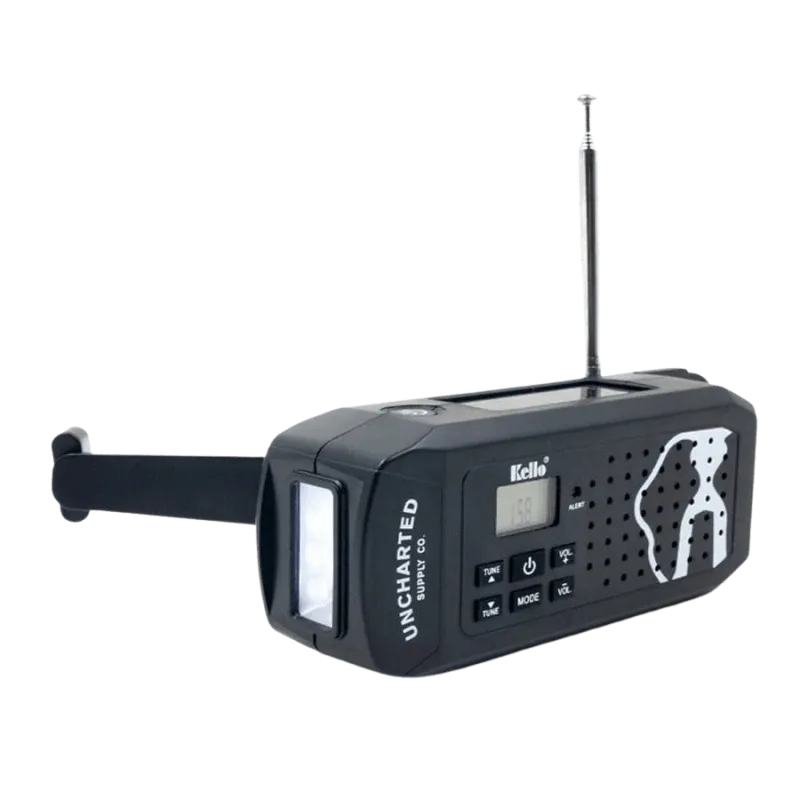
Getting found is as important as getting there. A handheld GPS watch or satellite communicator gives you coordinates and a way to call for help when cell service disappears. The Garmin Instinct® 3 tracks your route and weather, while the Garmin inReach® Mini 2 provides two-way satellite messaging. A NOAA Radio keeps you informed when networks go down.
Pair navigation with a solar charging setup so your electronics stay useful over multiple days. Keep cables, adapters, and a spare battery in a single pouch, and label it so anyone in your group can find it.
First Aid and Hygiene
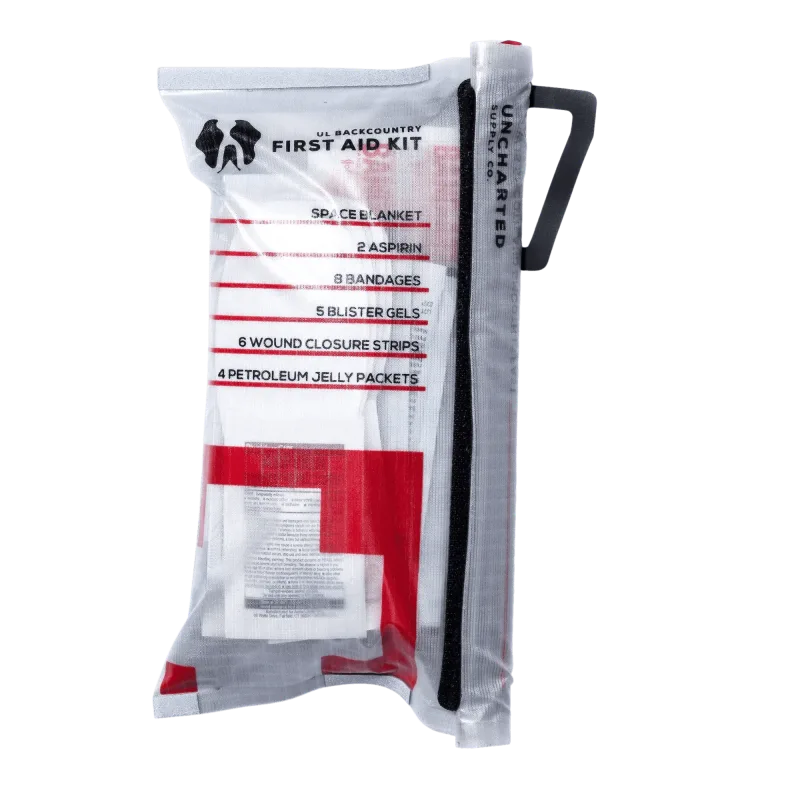
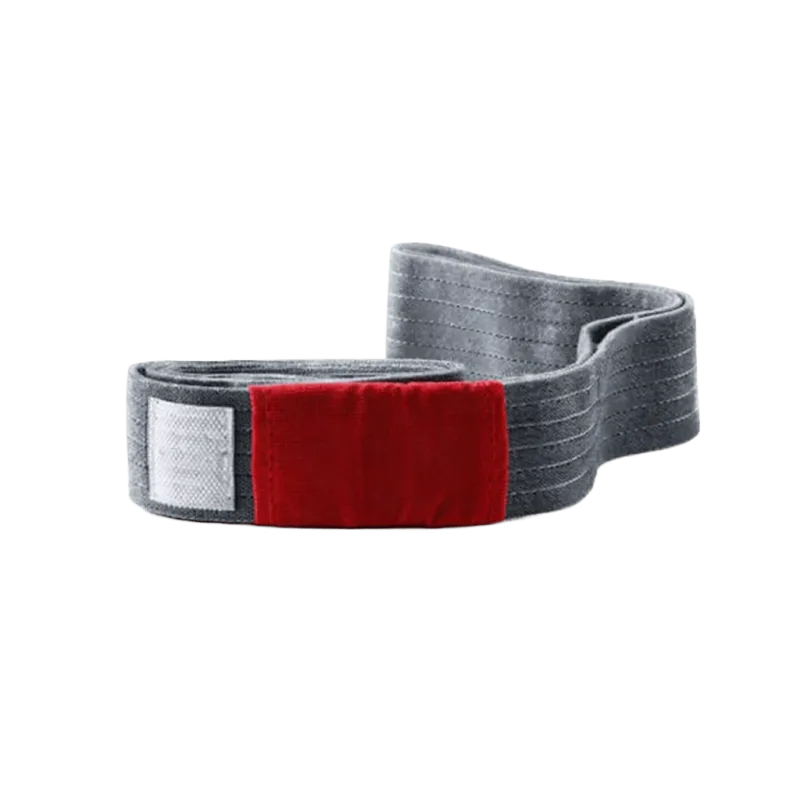
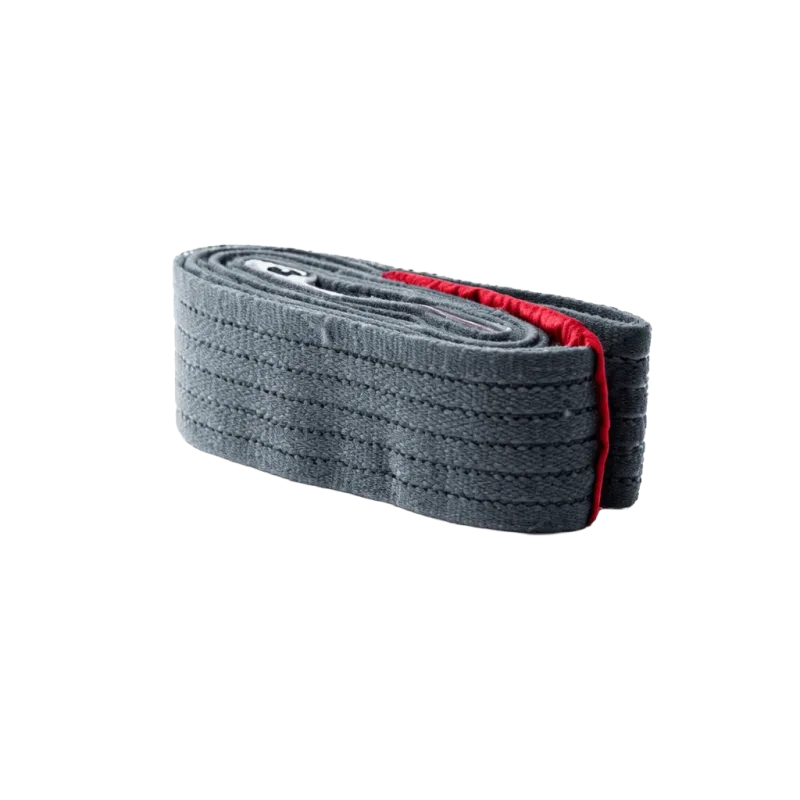
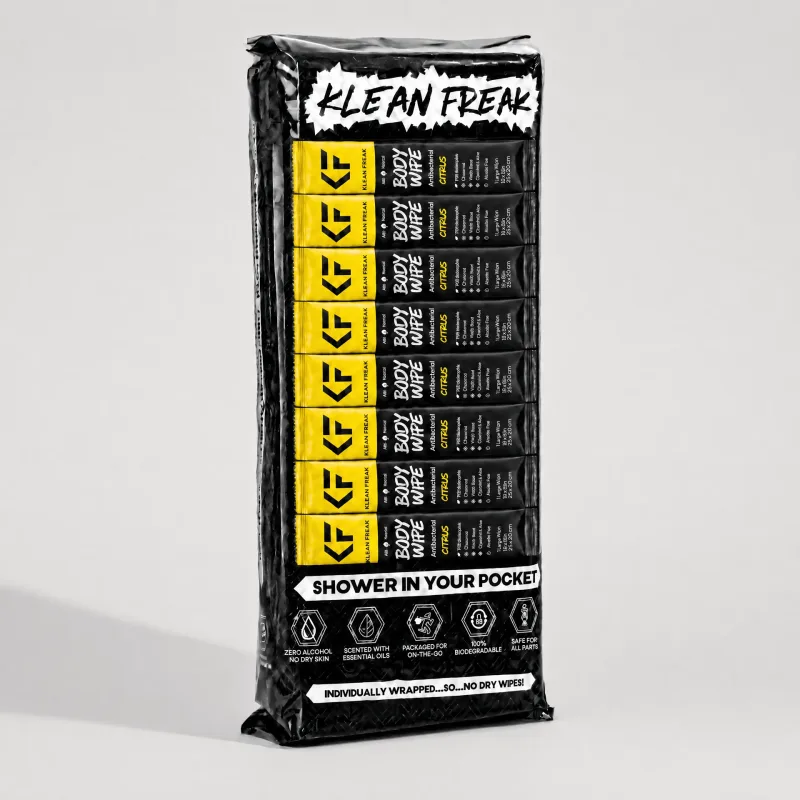
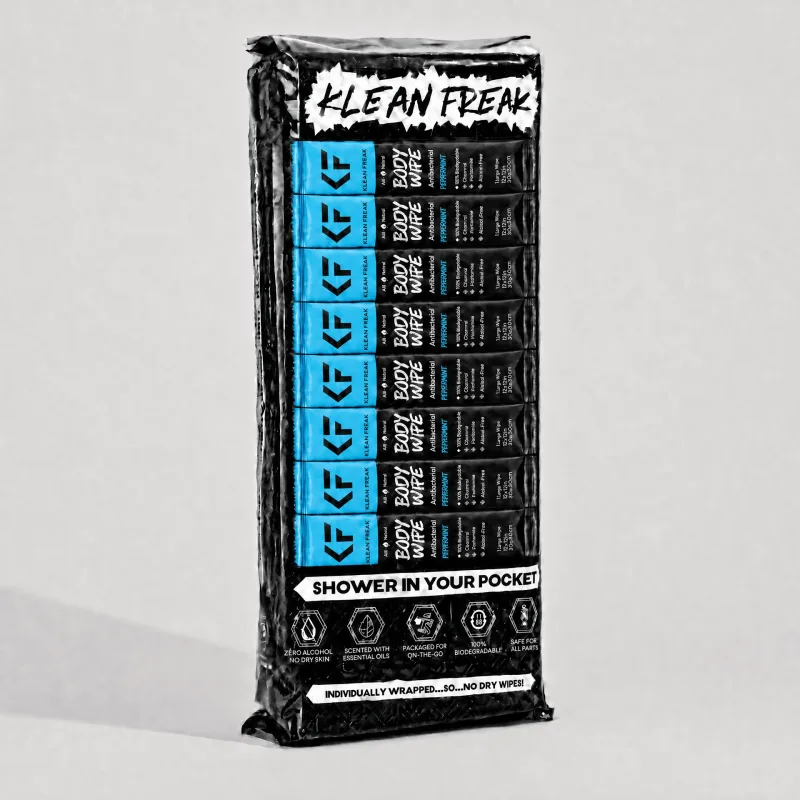
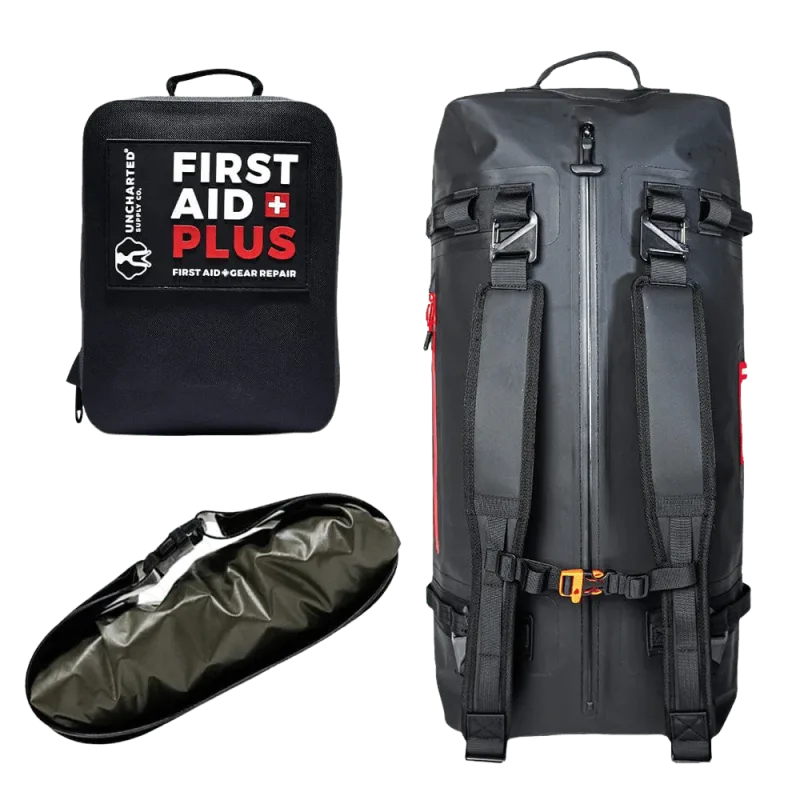
A first aid kit should match your group size and activity. The Triage Kit organizes trauma supplies, and a Slishman Pressure Wrap adds a compact option for controlling bleeding. Hygiene matters more than most people expect during extended disruptions; Body Wipes - 100 Pack and Body Wipes - The Jug keep you clean when showers are unavailable.
How to Build Your Kit with Uncharted Supply Co. | Survival Systems, First Aid & Emergency Gear
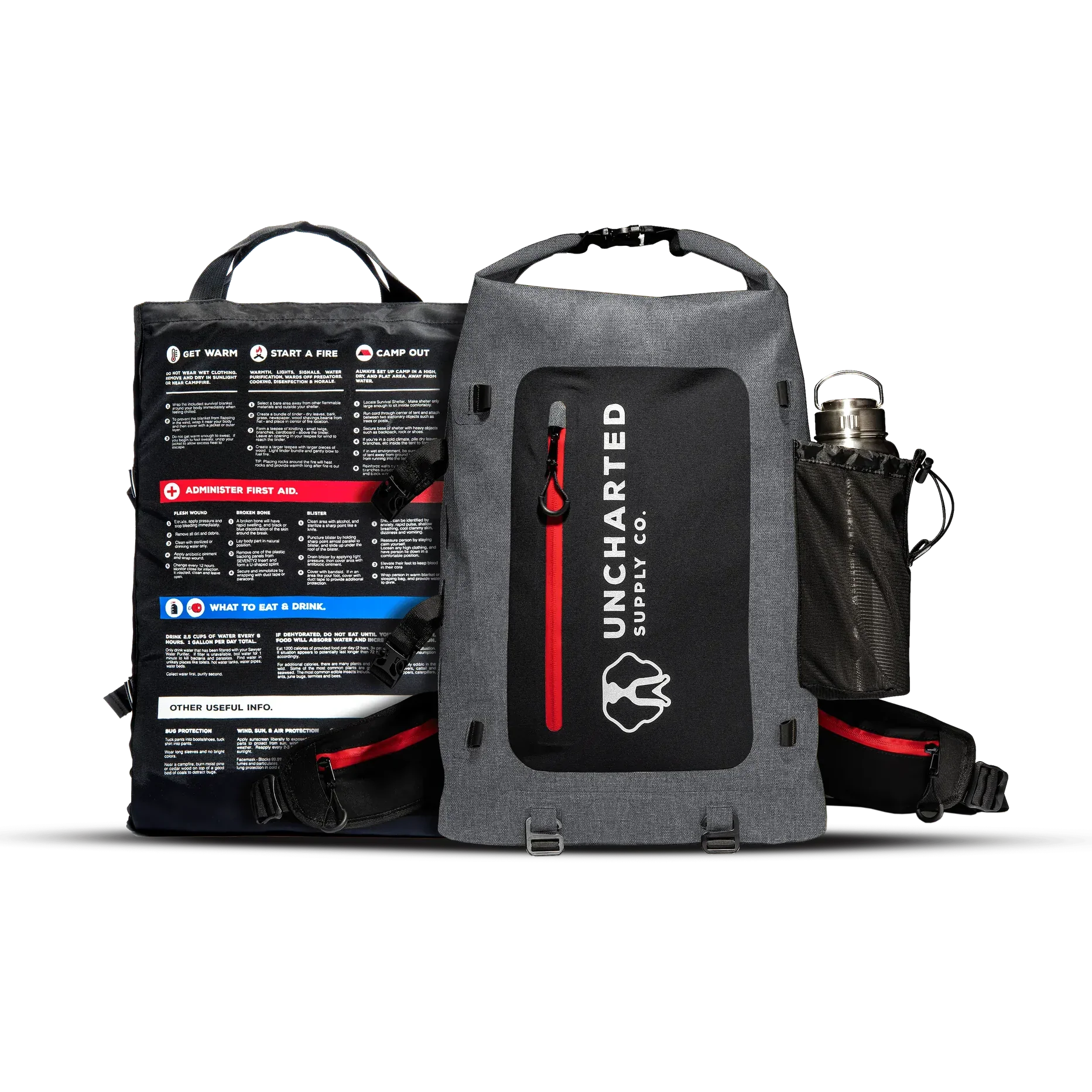
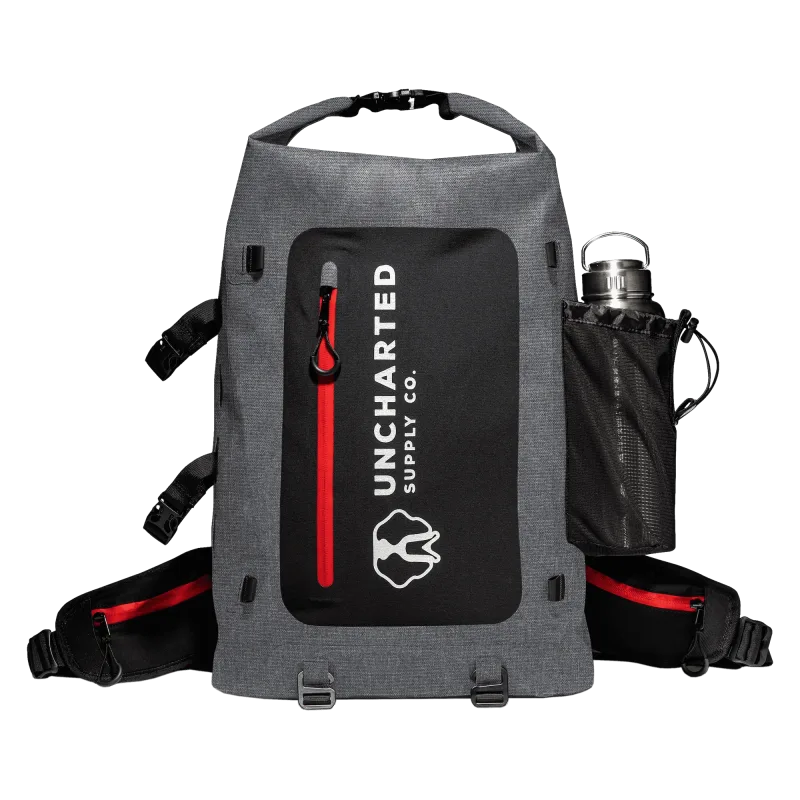
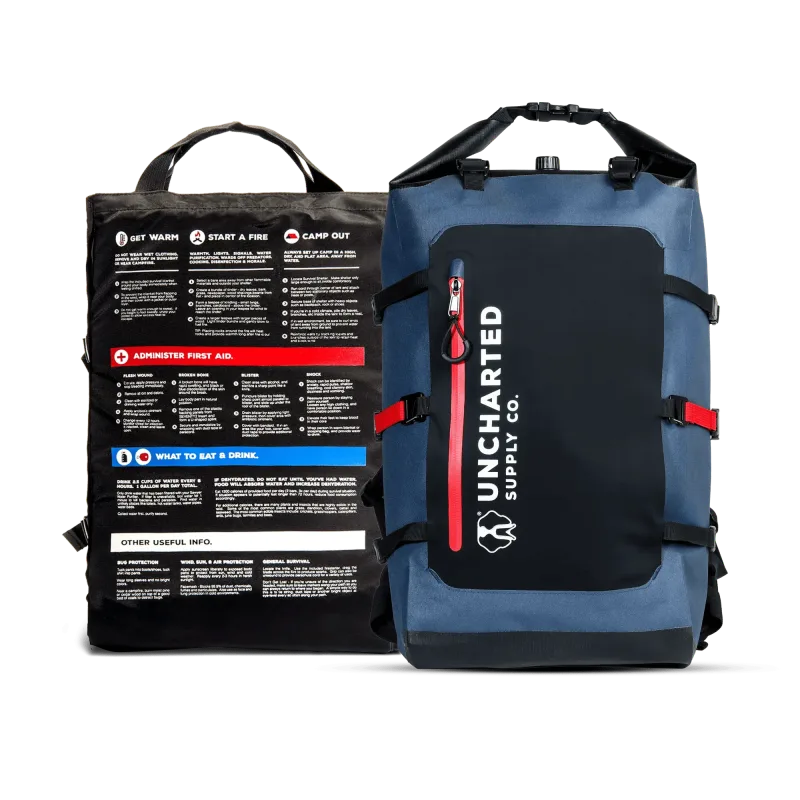
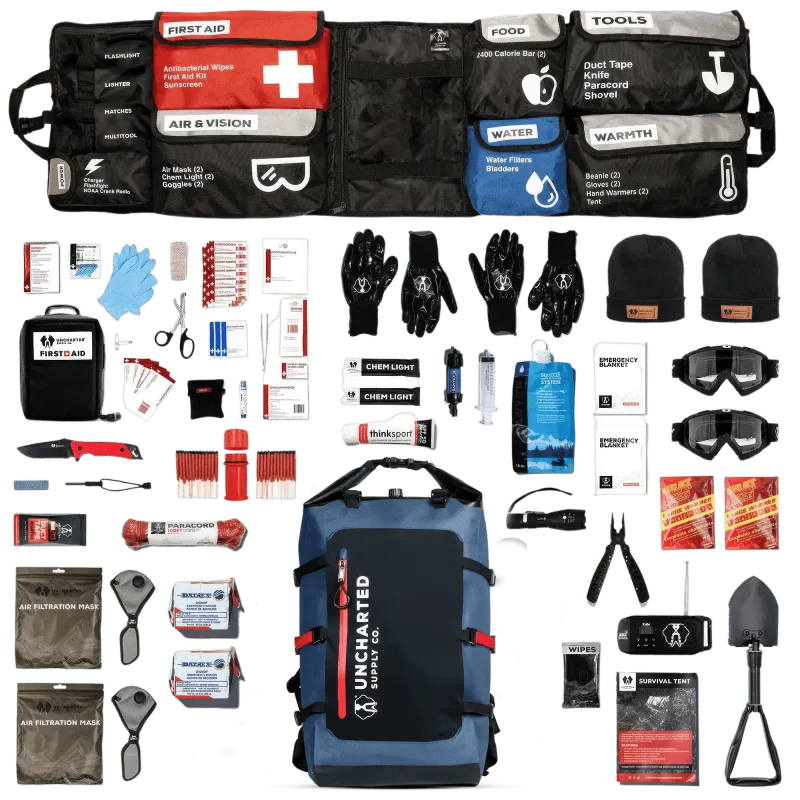
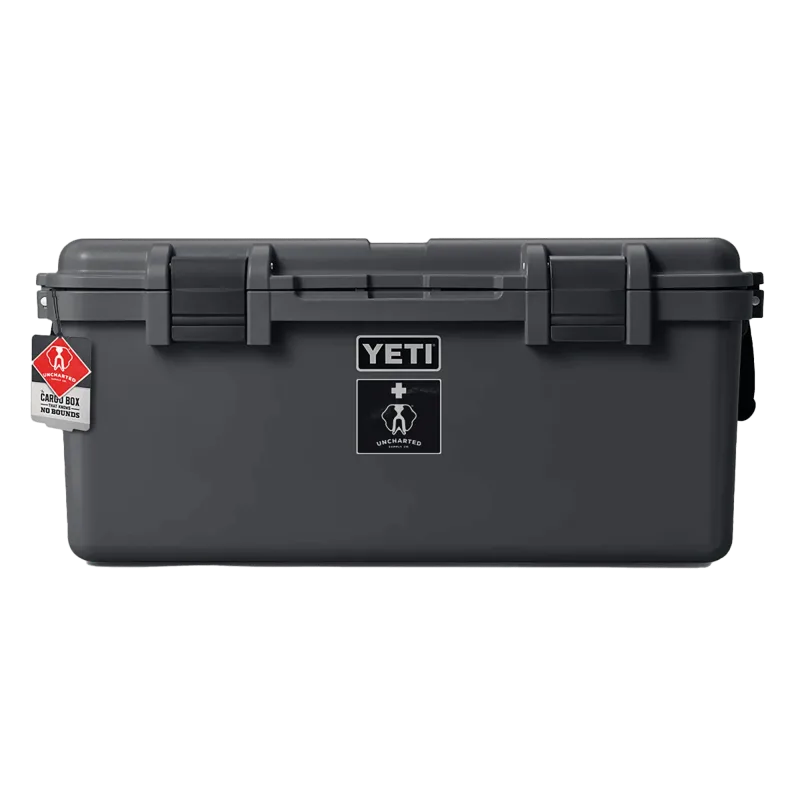
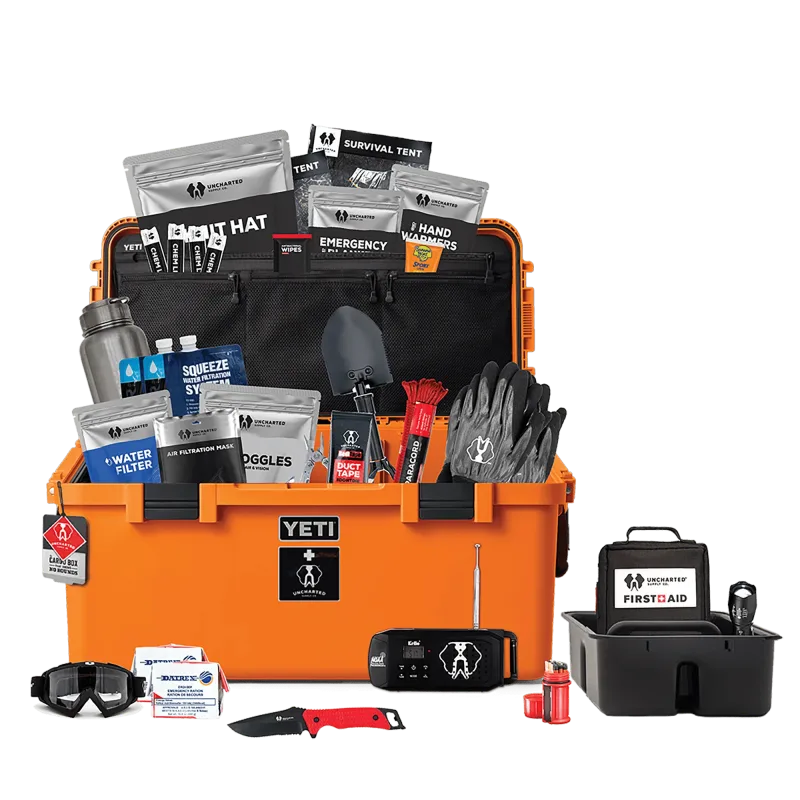
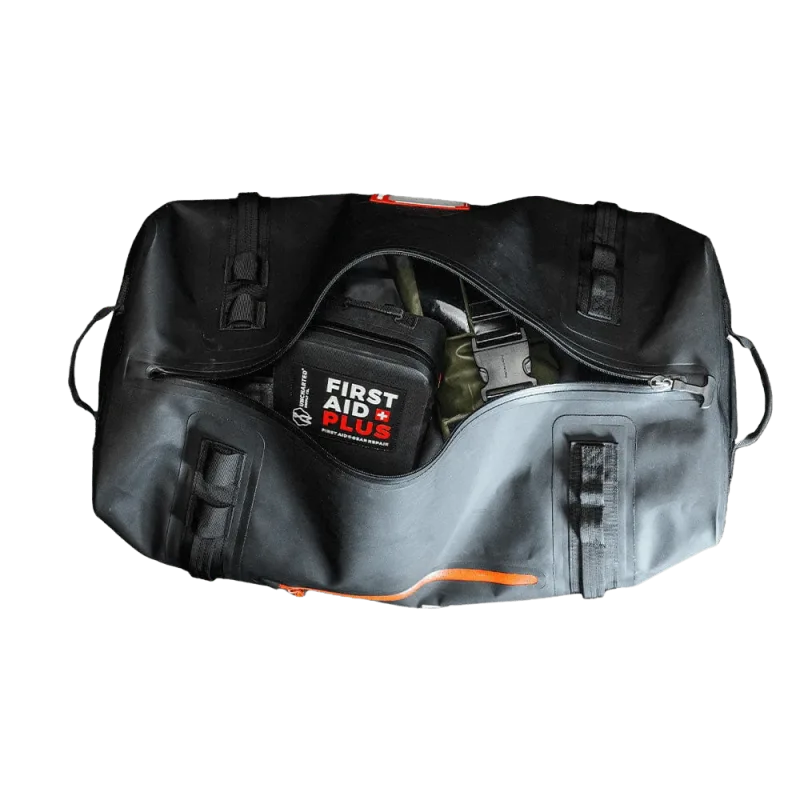
Start with a complete system, then customize. The THE SEVENTY2® Survival System covers the first 72 hours in a single bag, and the THE SEVENTY2.0® Pro Survival System upgrades that foundation with additional capability. Add a The Basecamp - 60L for family supplies or vehicle storage, or a Flood Prep Core if your region faces seasonal flooding.
Finally, review your checklist twice a year. Replace expired food and water, test batteries and chargers, and confirm that every item still fits your plans. A checklist is only as good as the last time you checked it.