
Why a Layered Emergency Kit Matters
A single gadget rarely saves the day. Real preparedness comes from layers: power to keep devices alive, recovery gear to get unstuck, and survival basics like fire, heat, and clean water. Build your kit around those three pillars and you can handle everything from a dead battery in a remote lot to a multi-day outage at home.
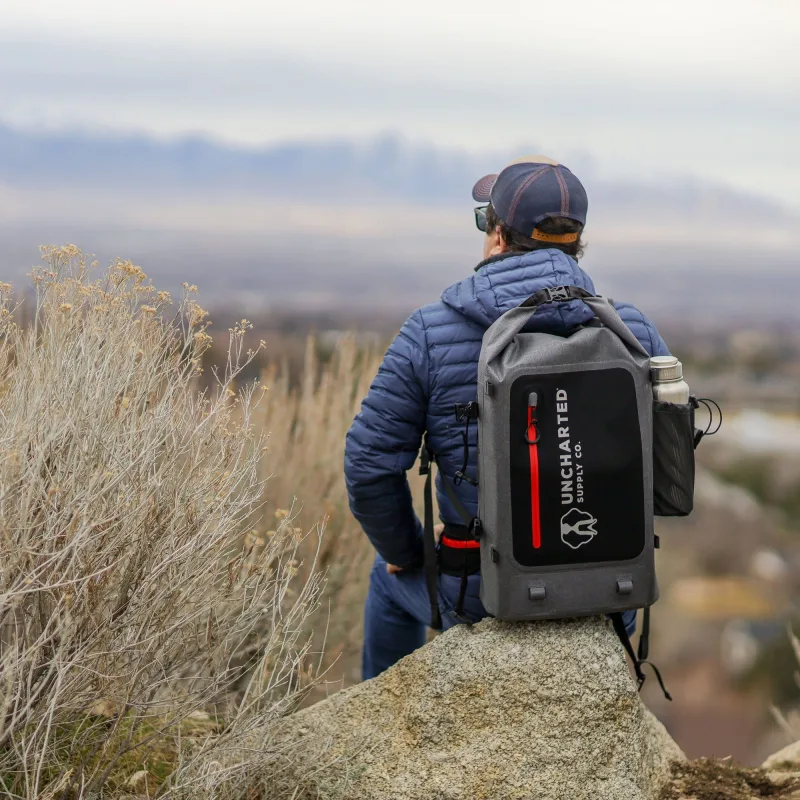
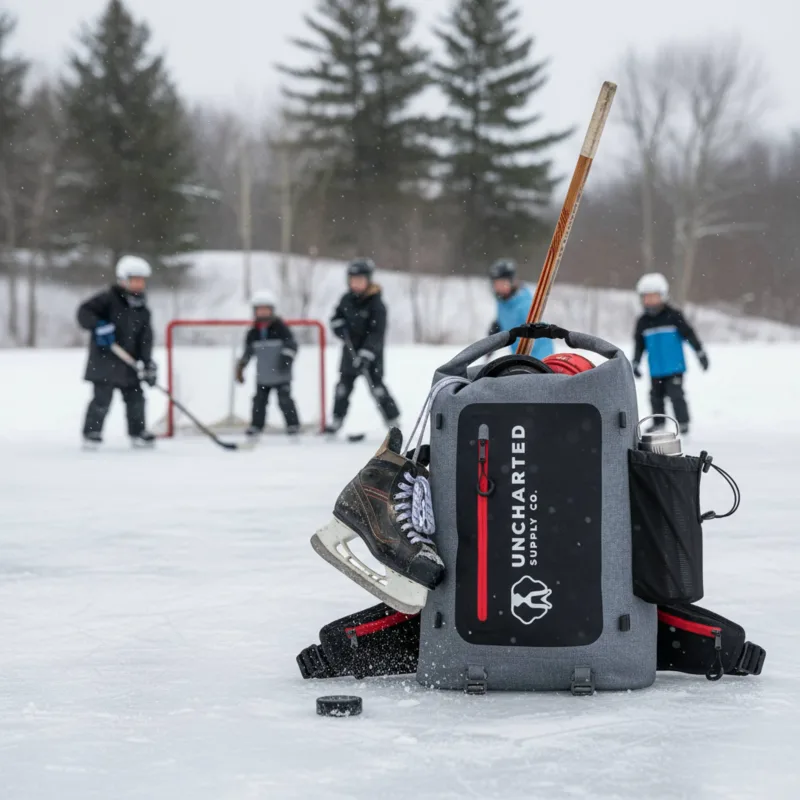
Start with a pack that can carry it all. The Basecamp - 60L gives you room for gear, food, and layers without turning into a black hole of loose items, while The Overlander works well as a grab-and-go option when you need to move fast.
Power & Charging: Keep Everything Running
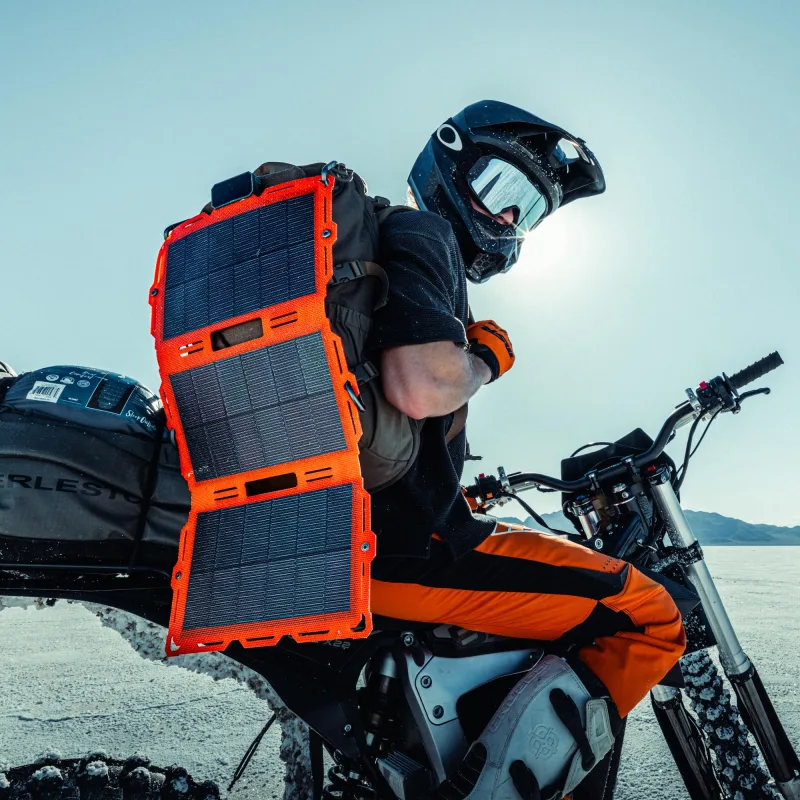
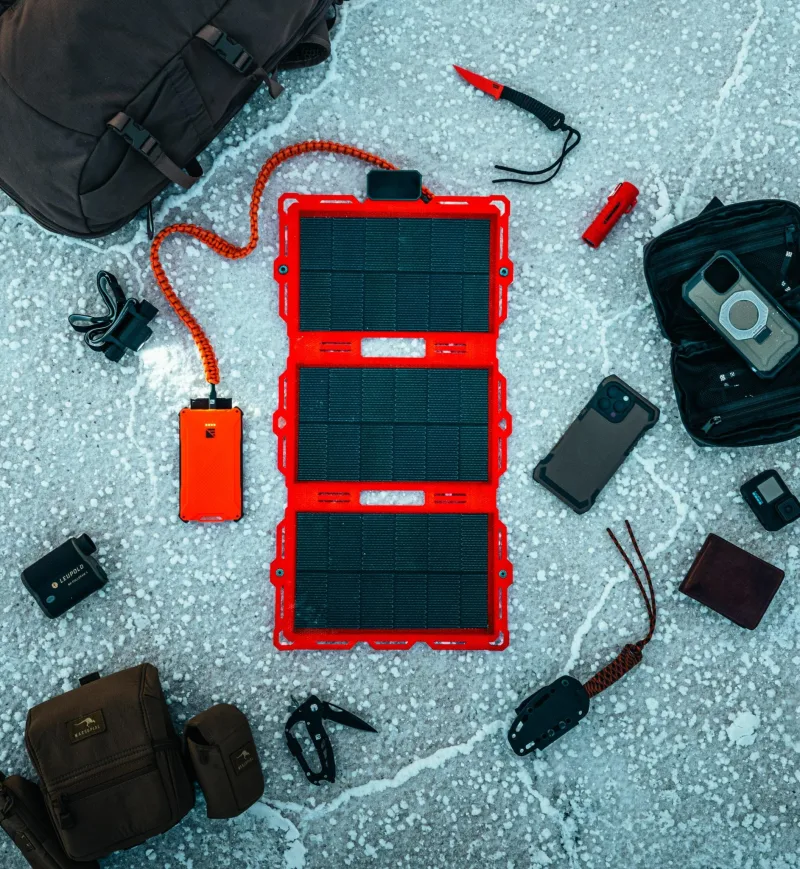
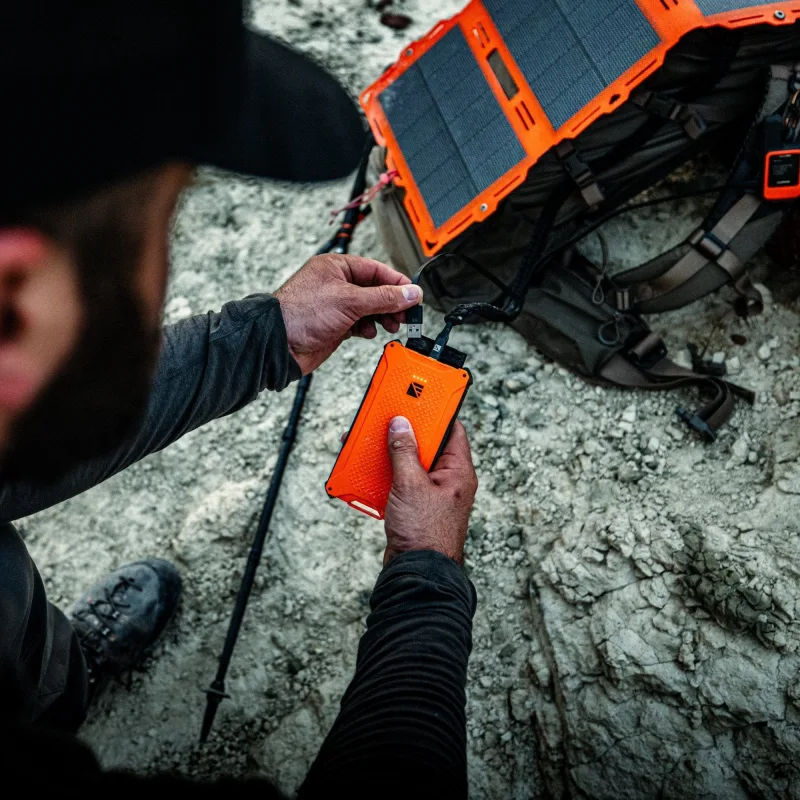
Dead batteries end trips and complicate emergencies. A compact solar panel lets you top up phones, radios, and headlamps whenever the sun is out. The Spectre 18W Solar Panel folds flat, so it disappears into a side pocket until you need it.
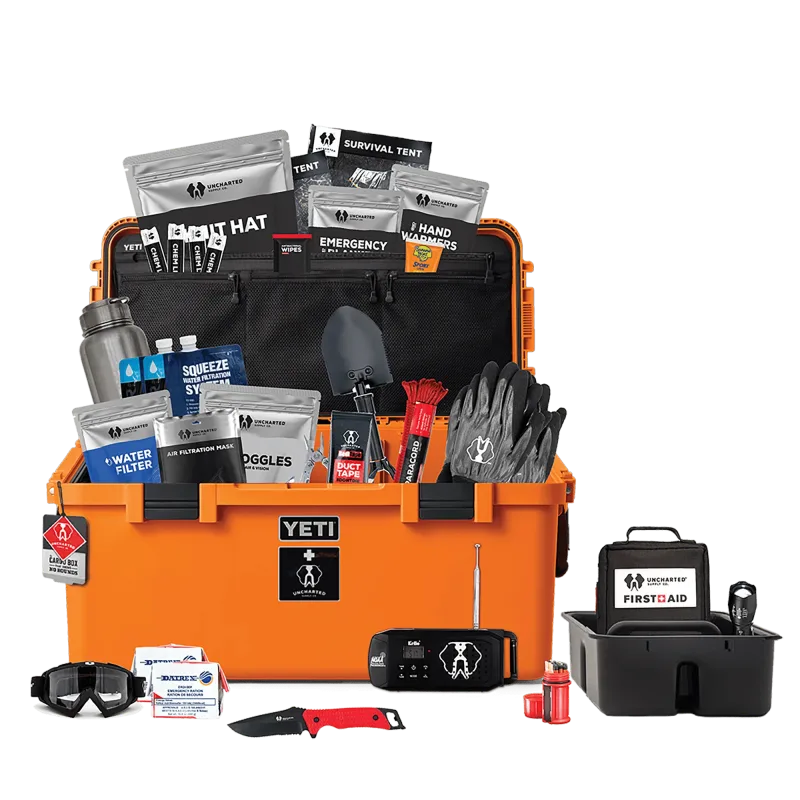
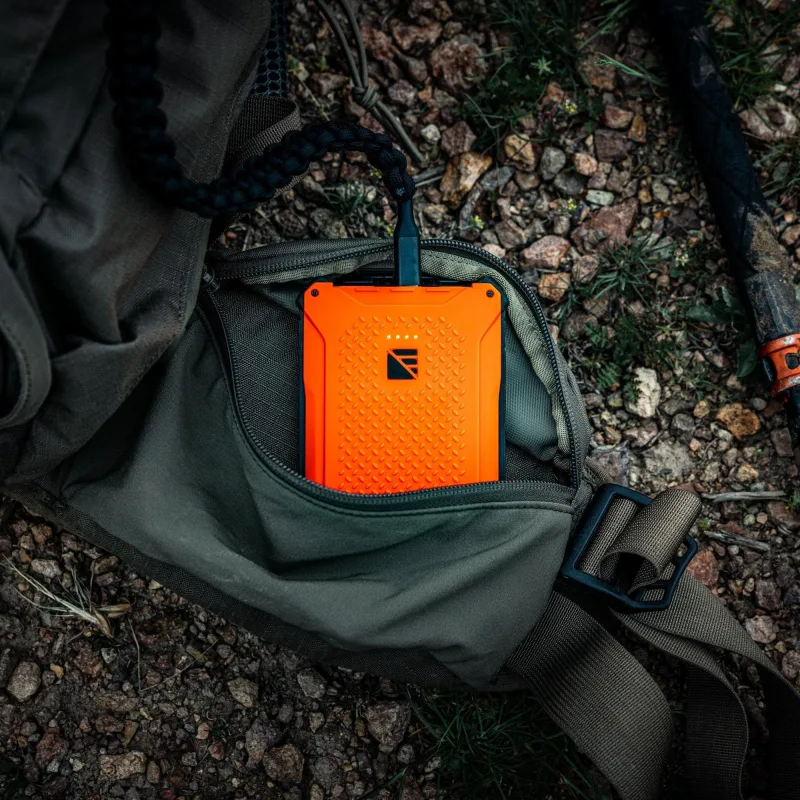
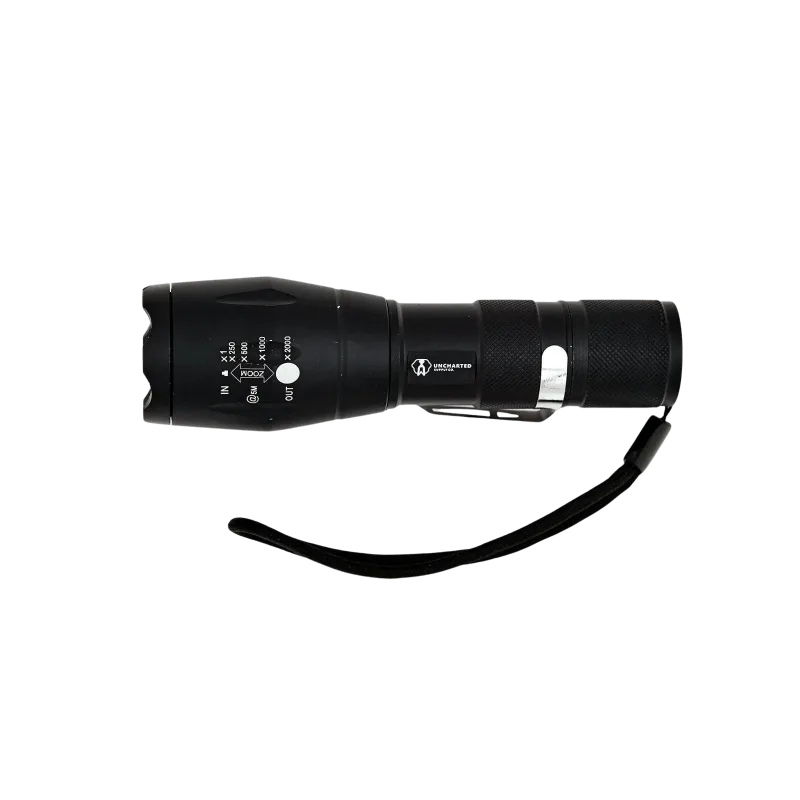
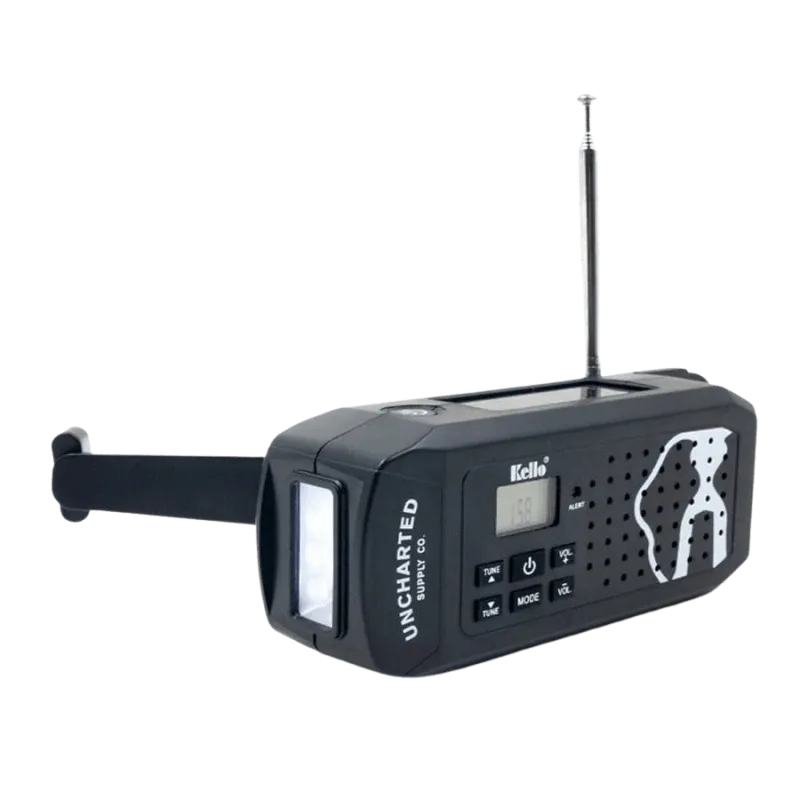
Pair solar with stored power. The Poseidon Pro Power Bank keeps your phone and small electronics charged overnight, and a The Zeus Pro Jump Starter handles the bigger problem: a vehicle that won't turn over. Add a Tactical Flashlight and a NOAA Radio so you have light and weather alerts even when the grid is down.
- Solar panel for daytime charging
- Power bank for overnight device power
- Jump starter for vehicle batteries
- Flashlight and weather radio for information and visibility
Recovery Gear: Get Unstuck Safely
Recovery is its own category, and it deserves real equipment rather than improvisation. Traction boards, a proper tow strap, and gloves turn a stressful stuck situation into a ten-minute job.
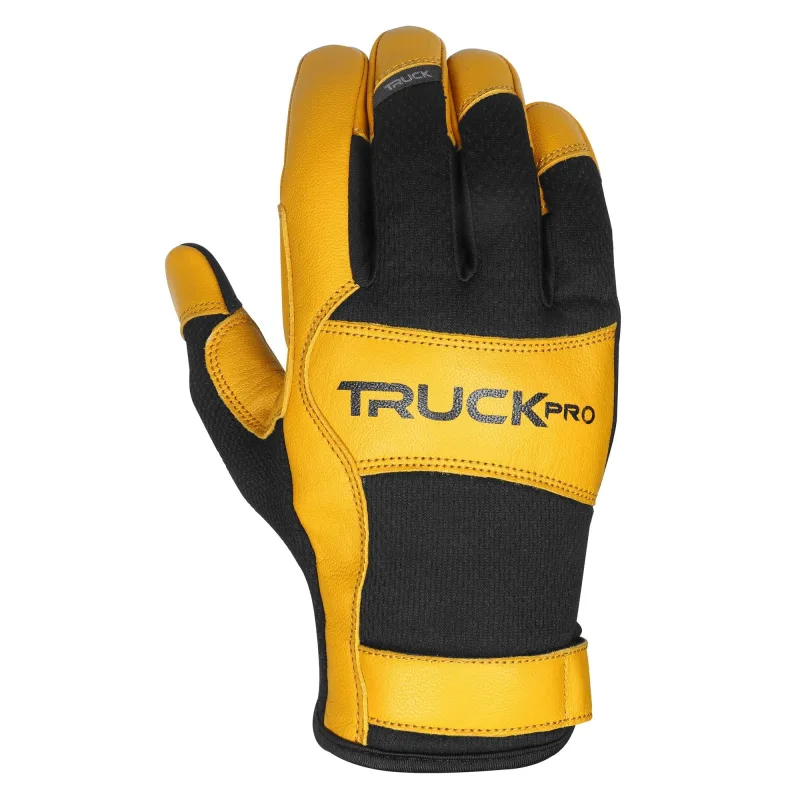
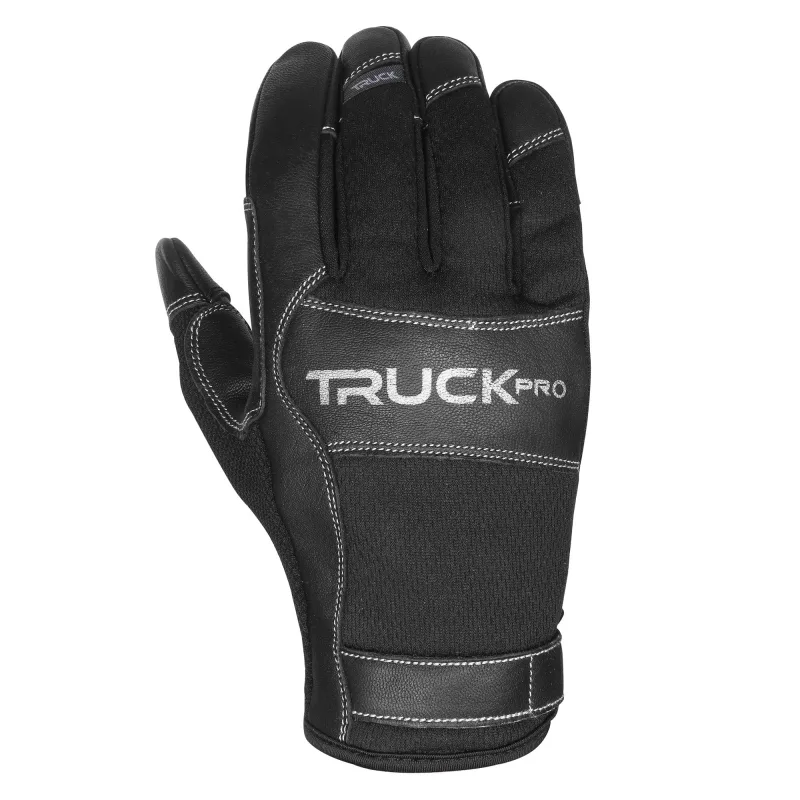
Carry a tow strap rated for your vehicle, and keep gloves within reach so you aren't handling cold, muddy hardware bare-handed. A WG Work Glove protects your hands during winching, digging, and shoveling. If you drive off pavement regularly, add a shovel, a tire pressure gauge, and a small tool kit to the same bag so recovery gear lives in one place.
Fire, Heat & Water: The Survival Basics
Exposure and dehydration cause more emergencies than dramatic accidents. Cover the basics first.
Water
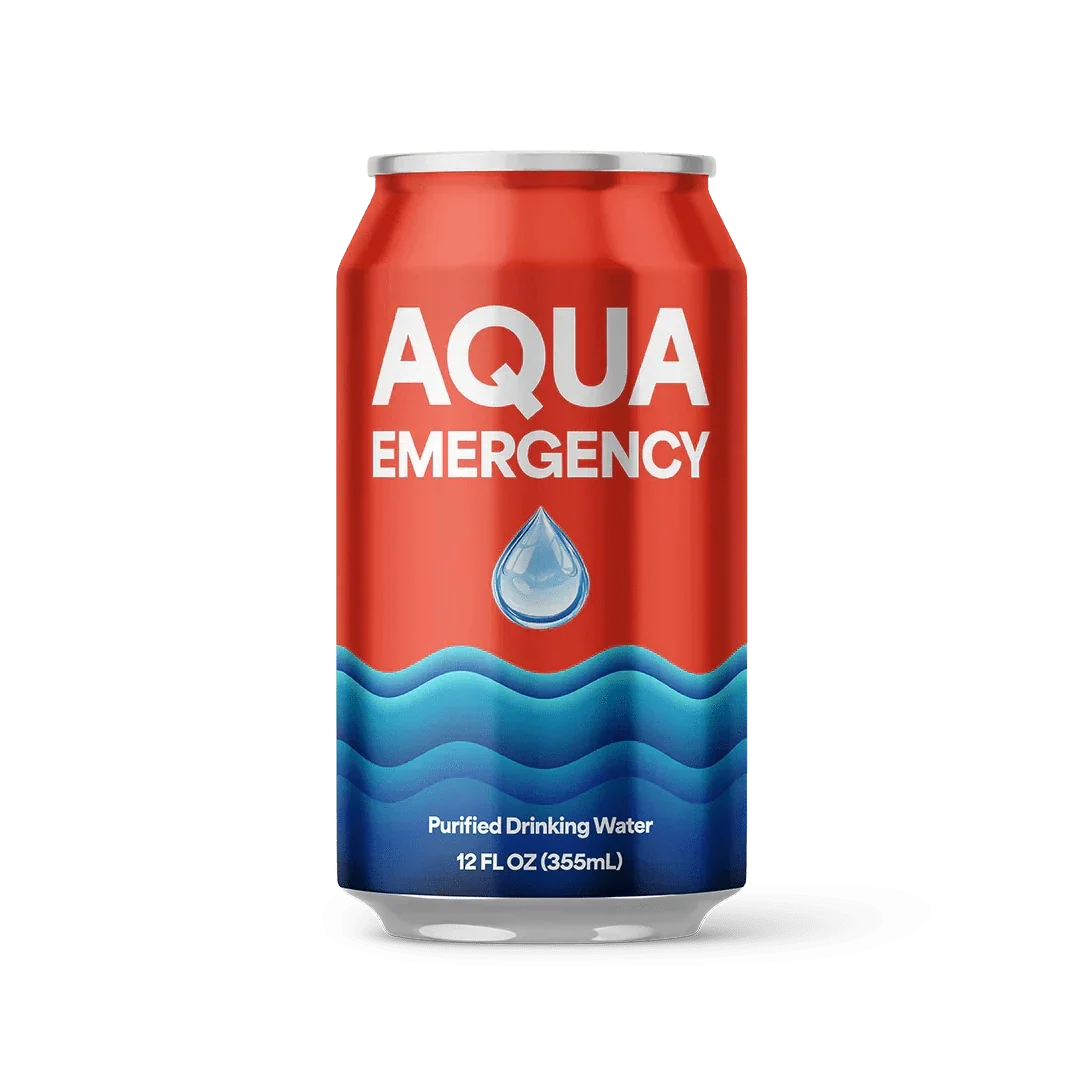
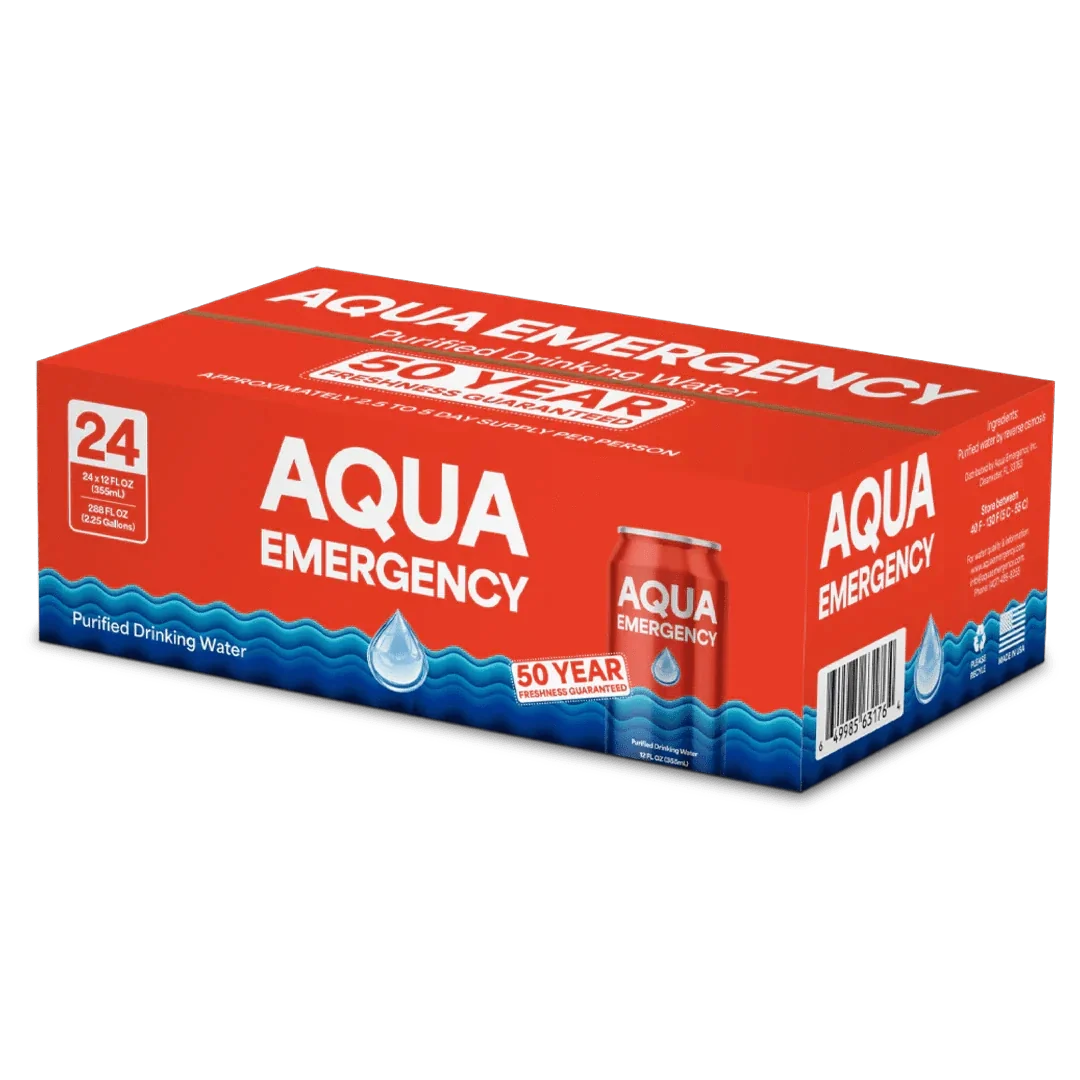
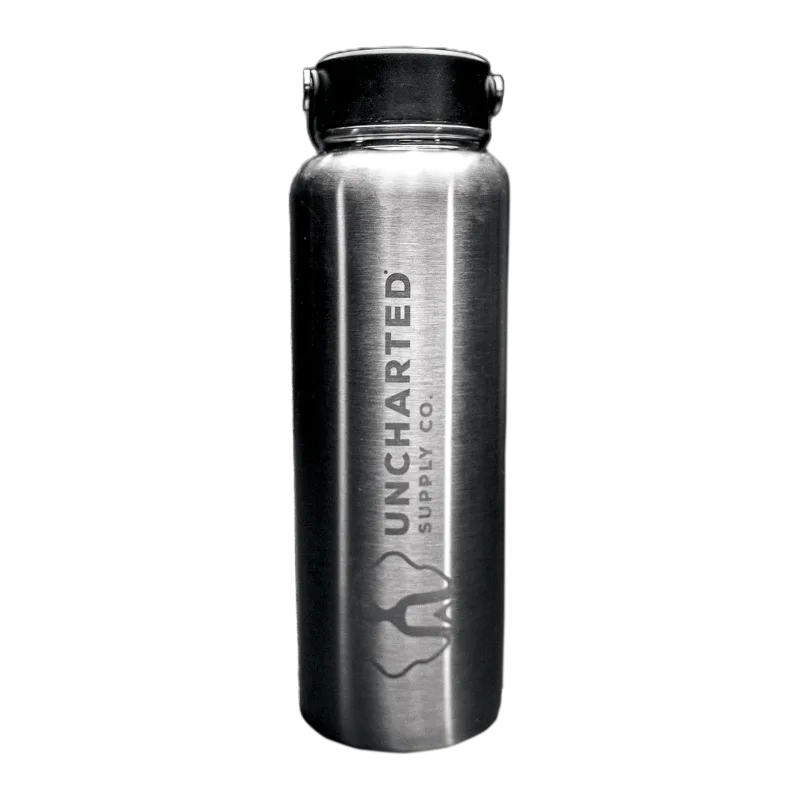
Store water you can grab without thinking. 12 oz Emergency Water (24 Pack) is shelf-stable and easy to stack in a closet or vehicle. For refilling on the move, a portable filter and a durable bottle like the 48oz Stainless Steel Water Bottle keep you hydrated from questionable sources.
Food
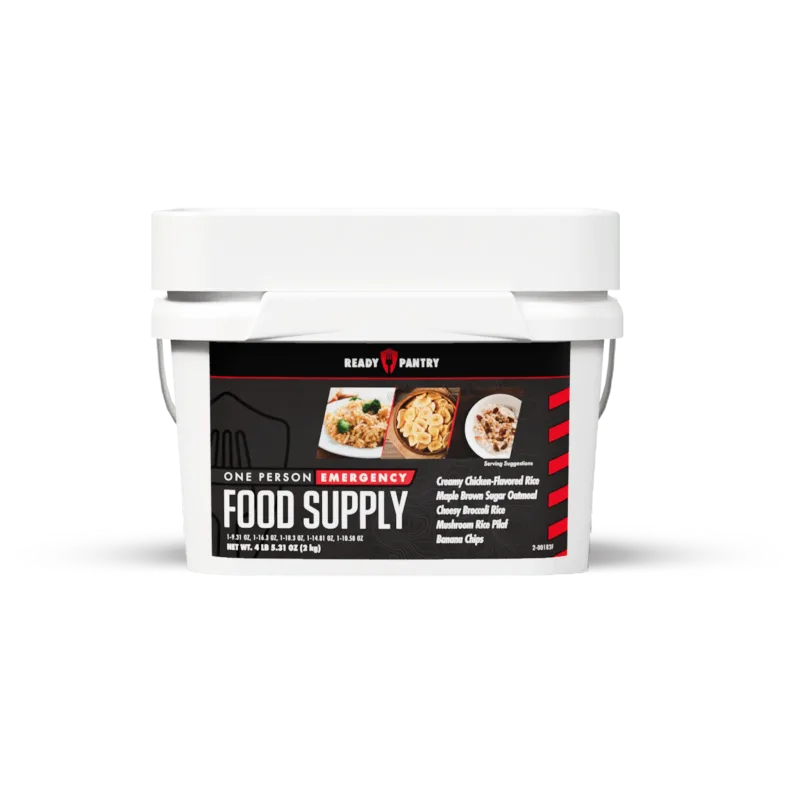
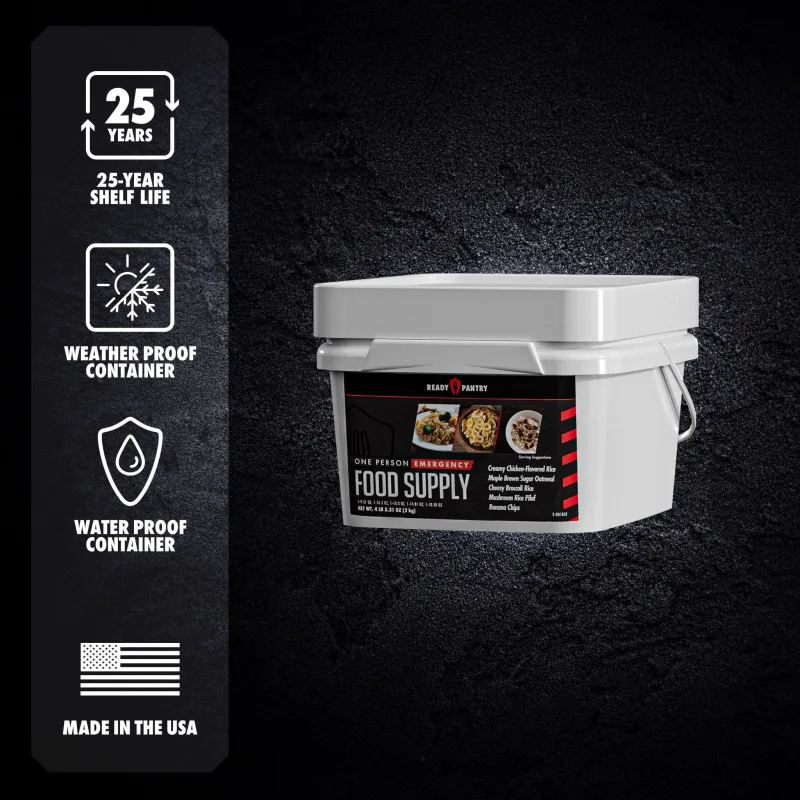
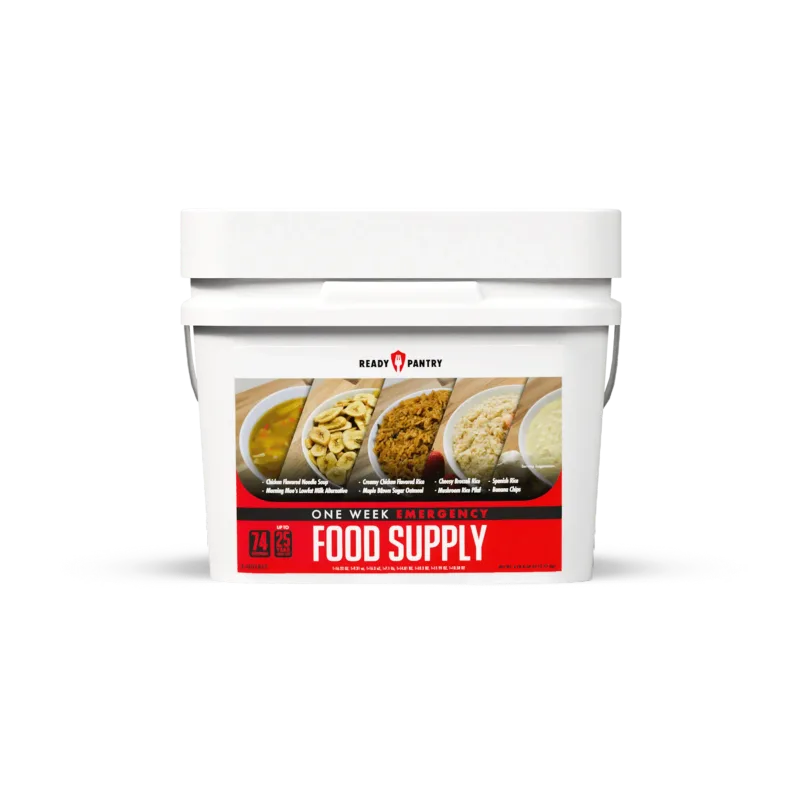
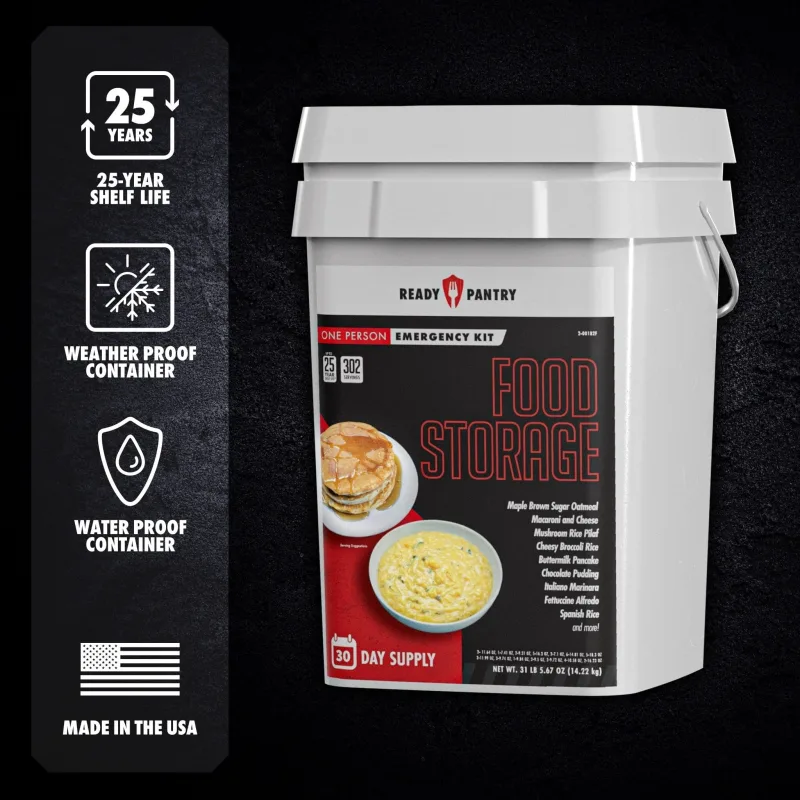
Calories matter when plans change. Choose a supply length that matches your risk: 3 Day Food Supply for a vehicle kit, One Week Food Supply for home, or One Month Food Supply if you want deeper coverage.
Warmth and Hygiene
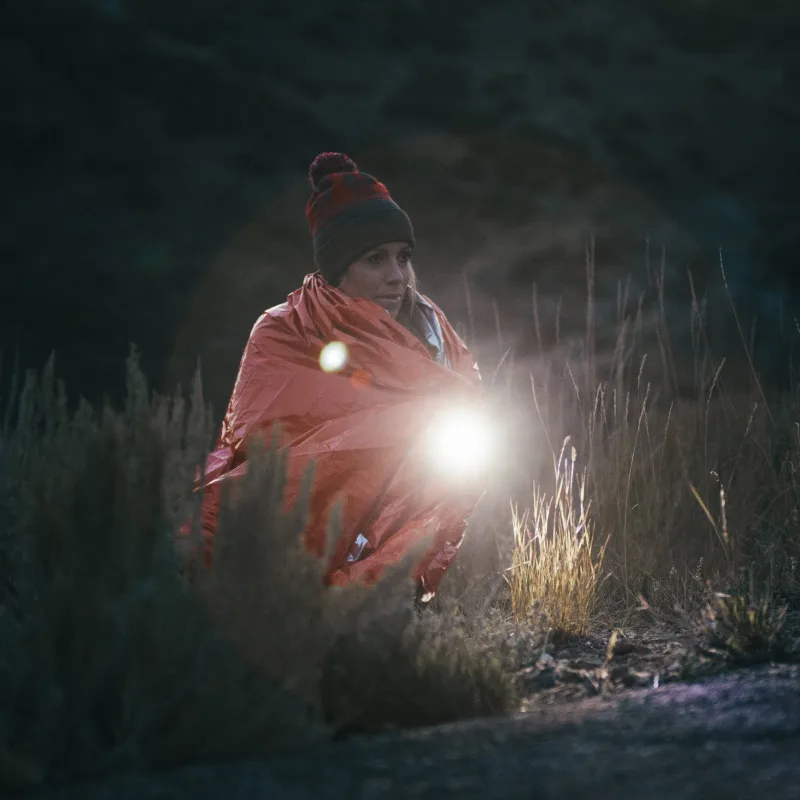
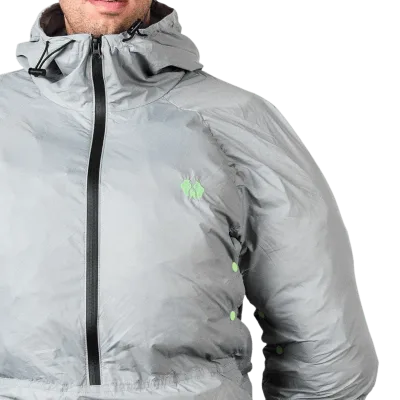
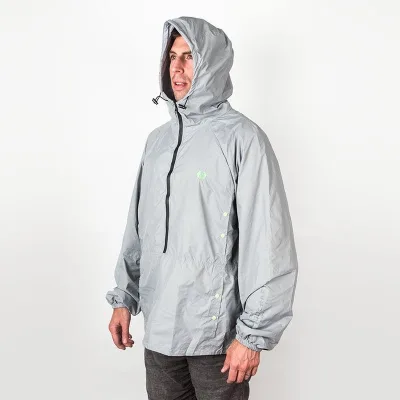
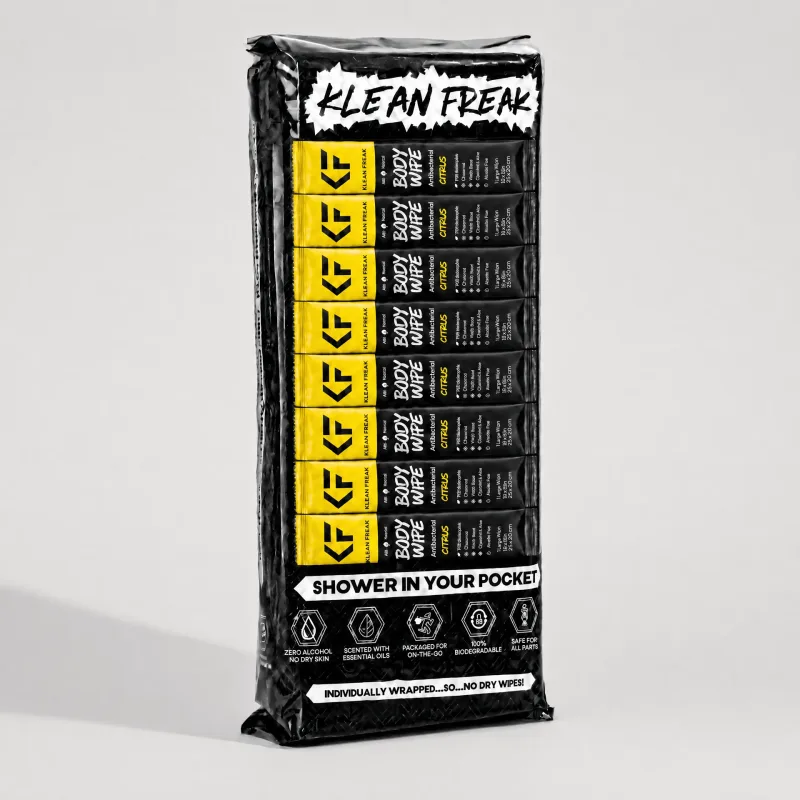
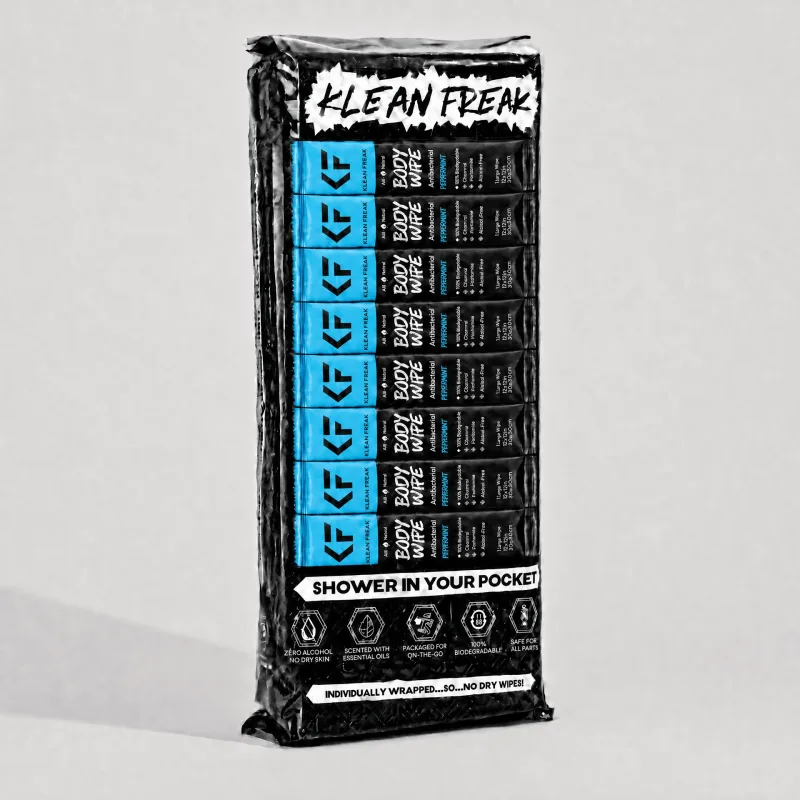
Wet and cold is a dangerous combination. Pack a weather-resistant shell such as The Hideaway: Weather-Resistant Windbreaker, a warm layer, and a dry bag to keep spare clothing dry. THE SEVENTY2® Shell | Dry Bag keeps critical items protected from water. Add Body Wipes - 100 Pack for hygiene when showers aren't available.
First Aid and Communication
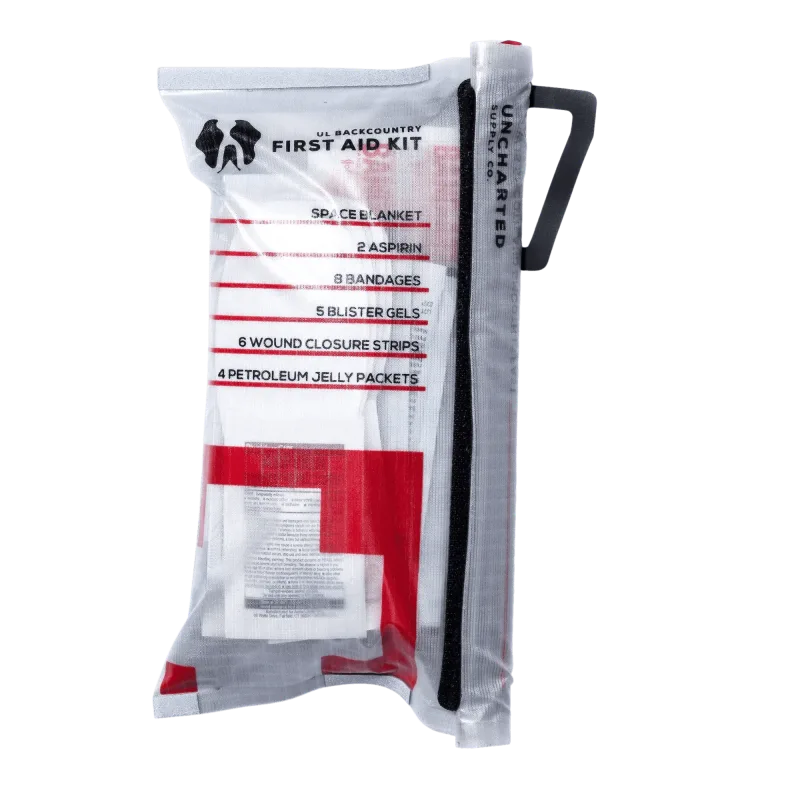
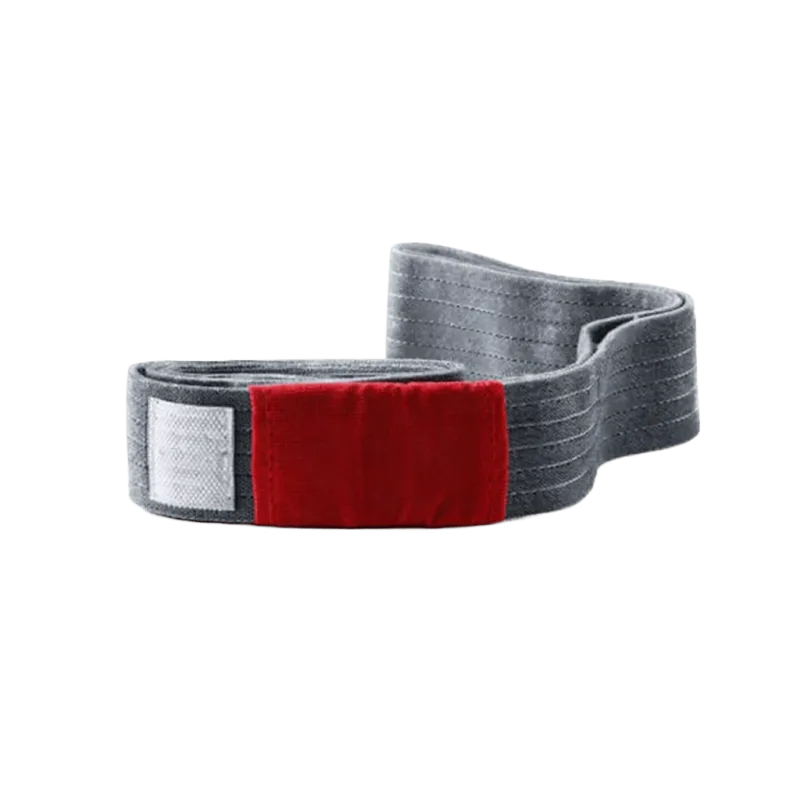
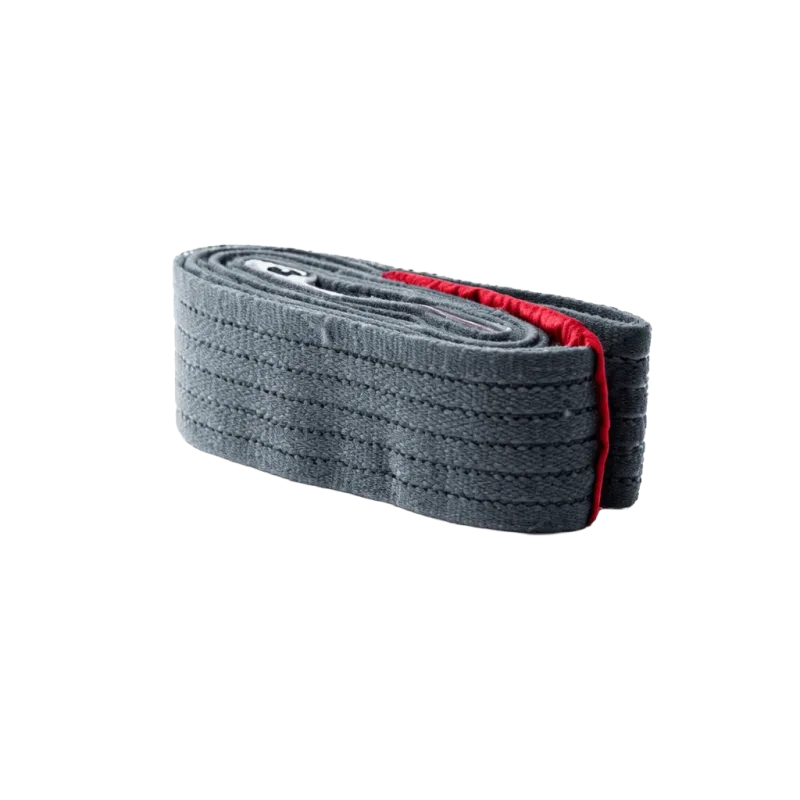
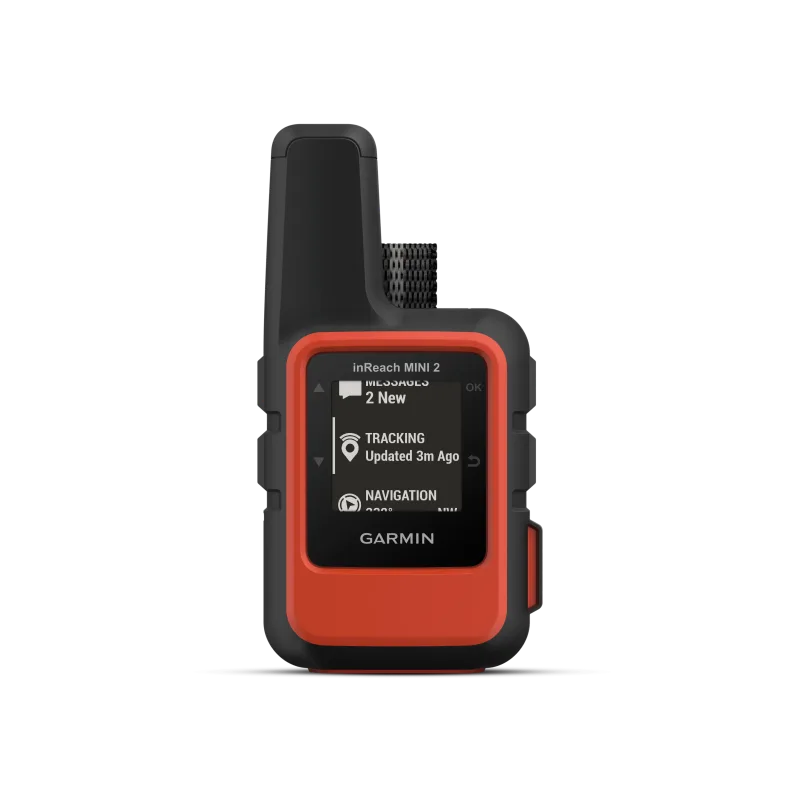
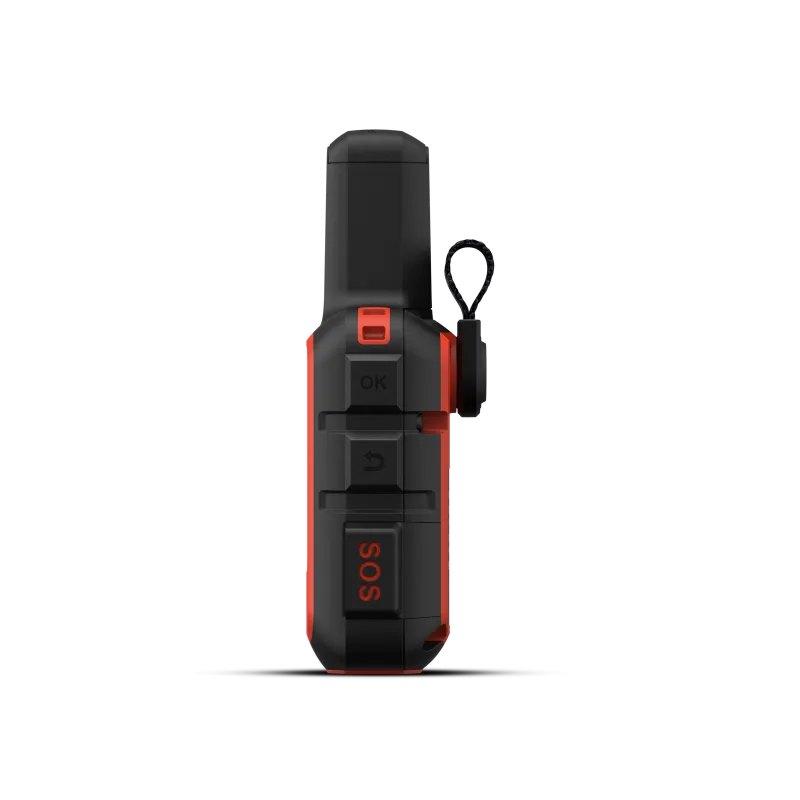
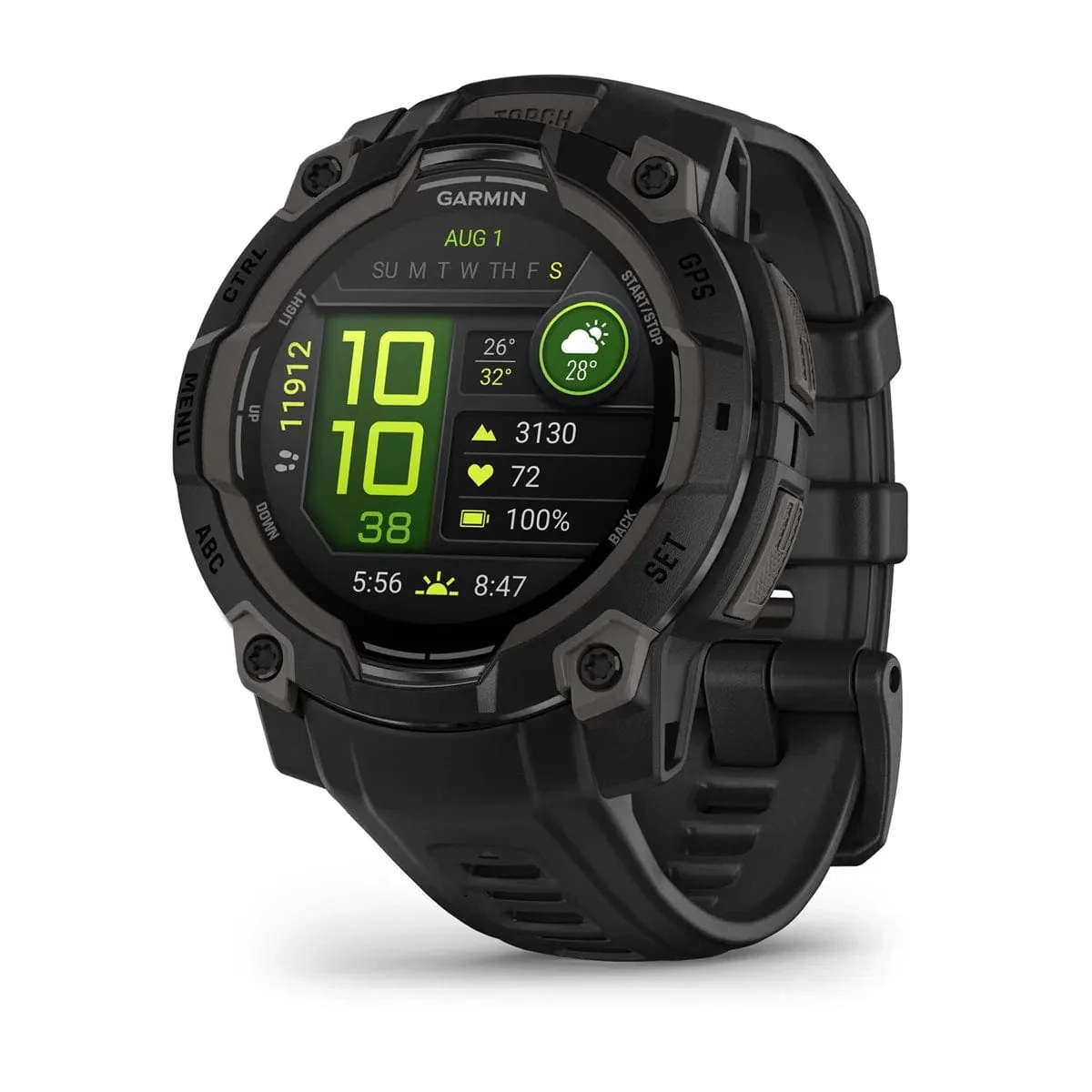
A basic trauma and illness kit belongs in every vehicle and home. The Triage Kit covers common injuries, and a Slishman Pressure Wrap adds control for bleeding. Off-grid, communication is safety: a Garmin inReach® Mini 2 lets you send messages and trigger an SOS where cell service doesn't reach, while a Garmin Instinct® 3 keeps navigation and tracking on your wrist.
Packing and Maintaining Your Kit
Gear only helps if you can find it. Group items by function using labeled pouches, then do a seasonal check: replace expired food and water, recharge power banks, test the jump starter, and confirm batteries in flashlights and radios.
- Vehicle kit: recovery gear, jump starter, water, first aid, gloves
- Home kit: food supply, water storage, radio, lighting, warmth
- Go-bag: documents, layers, hygiene, power bank, filter
Build the kit in layers, test it once a season, and you'll be ready for the small failures that cause most emergencies.