
Why a Layered Emergency Kit Matters
Emergencies rarely announce themselves. A storm can knock out power for days, a dead battery can strand you on a remote trail, and a boil-water advisory can turn a normal week into a logistics problem. The most reliable way to prepare is not to buy one giant kit and hope for the best, but to build a layered system that covers four core needs: power, mobility, water, and shelter.
Think of your preparation in two locations. The first is your vehicle, where gear should help you get unstuck, get moving, and stay warm if you have to wait. The second is your home, where you need enough supplies to ride out an outage or a supply disruption without leaving. Below is a practical emergency gear checklist organized by function, so you can see what each item actually does for you.
Power and Charging: Keep the Lights On
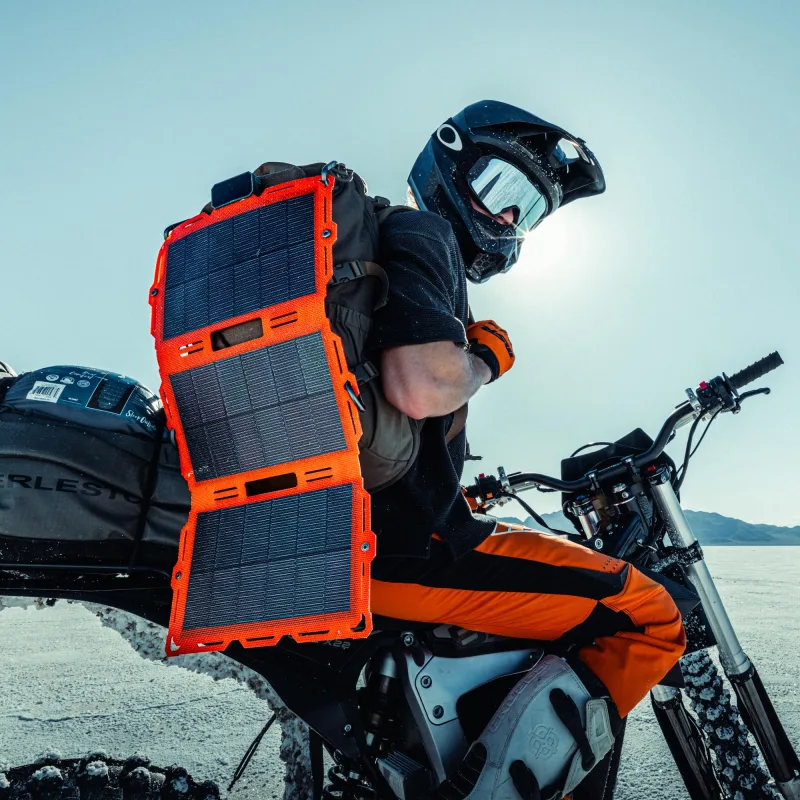
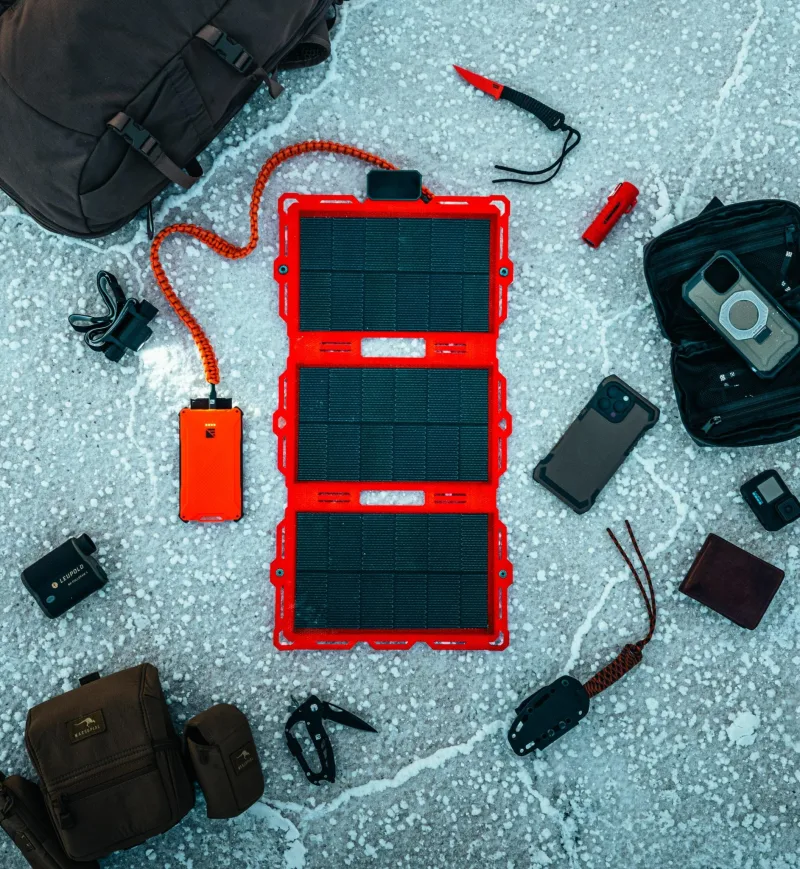
Power is the foundation of almost everything else. Without it, your phone dies, your radio goes quiet, and your navigation stops working. Start with a way to generate electricity from the sun. The Spectre 18W Solar Panel is a compact option for trickle-charging a power bank or phone during daylight hours, which matters when grid power is out for an extended period.
Pair solar with storage. A rugged power bank keeps your devices alive overnight and during cloudy stretches, and a dedicated jump starter handles the most common roadside failure of all: a dead car battery. The The Zeus Pro Jump Starter combines jump-starting capability with inflation, which means you can also top up a low tire without hunting for a gas station air pump.
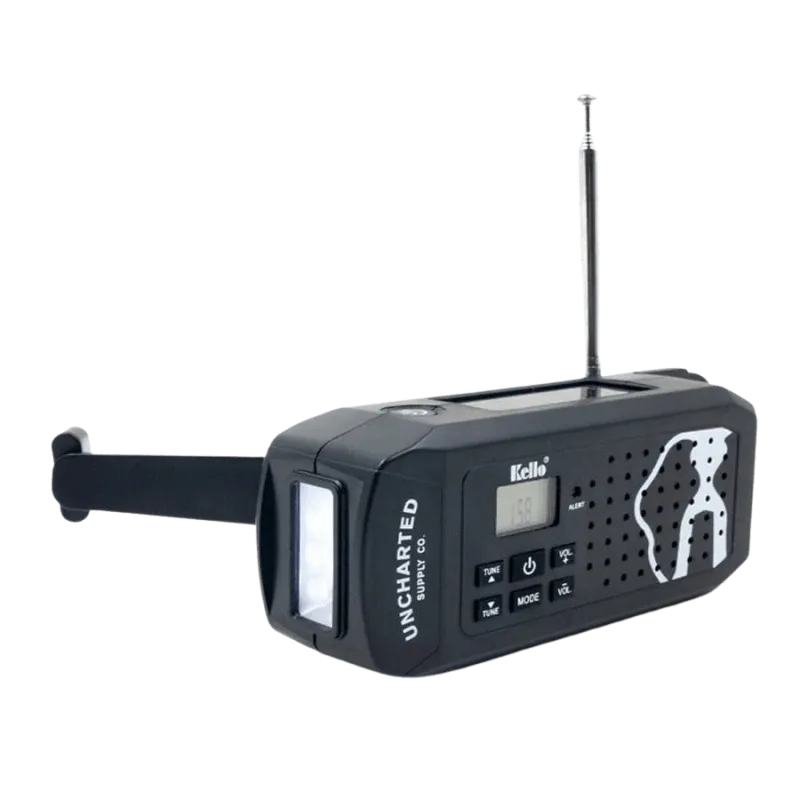
For information when cell networks are congested or down, a battery-powered weather radio keeps you connected to official alerts. A NOAA Radio belongs in every home kit and is worth the small amount of space it takes up.
Recovery Gear: Get Unstuck Safely
Recovery is where preparation pays off fastest. If your vehicle is buried in sand, mud, or snow, traction boards give you a surface to climb out on. MAXTRAX boards are the standard for a reason: they are stackable, durable, and work with a shovel and a bit of patience. Carry a proper tow strap as well, because a strap rated for recovery is very different from a chain or a random length of rope.
Soft shackles and a quality strap let you connect to a recovery point without metal hardware flying if something fails. Before you head out, learn your vehicle's recovery points and practice the technique in a safe, flat area. Gear only helps if you know how to use it under pressure.
Water, Food, and Fire Basics
Water is the item people underestimate most. Store sealed emergency water for drinking, and keep a filtration or purification method for refilling from uncertain sources. A gravity or pump filter handles larger volumes, while purification tablets serve as a lightweight backup.
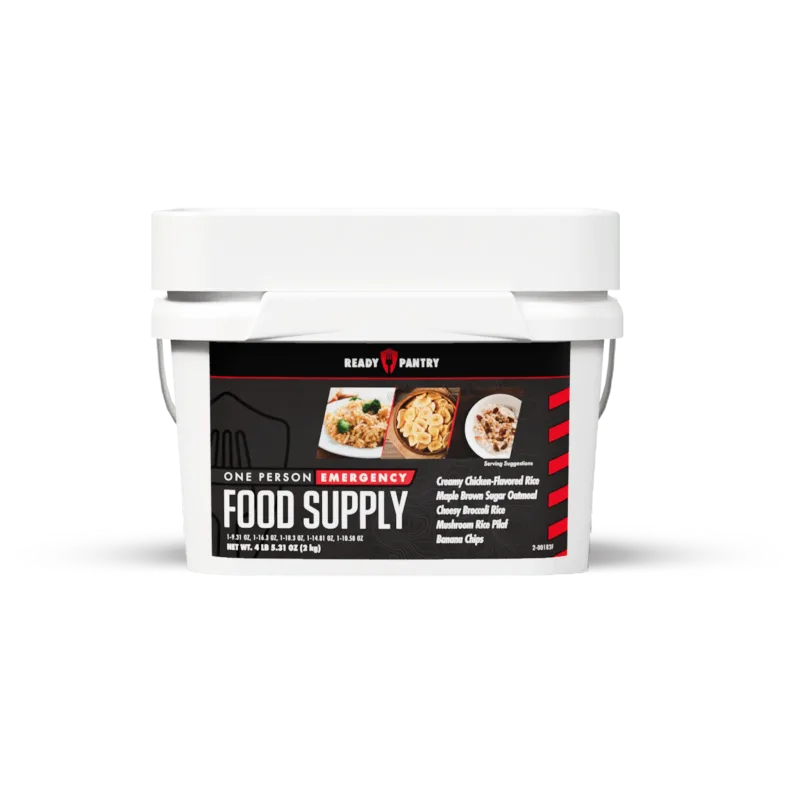
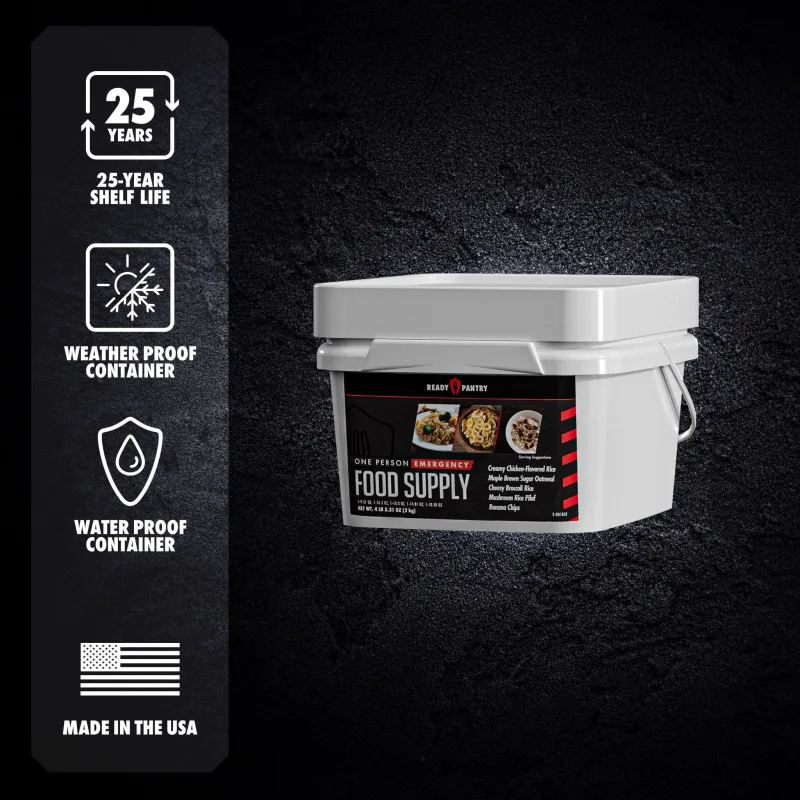
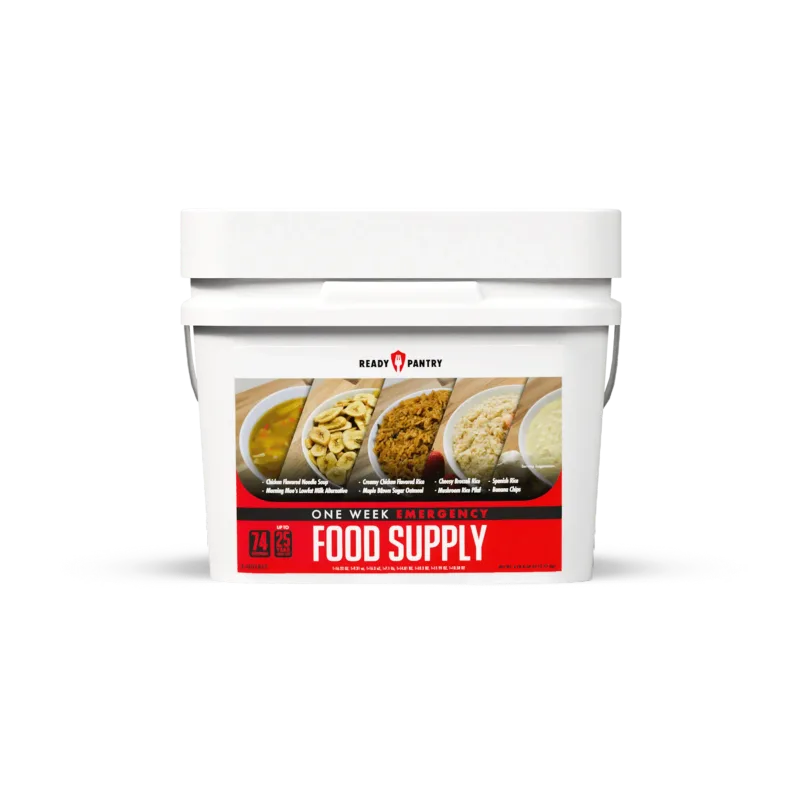
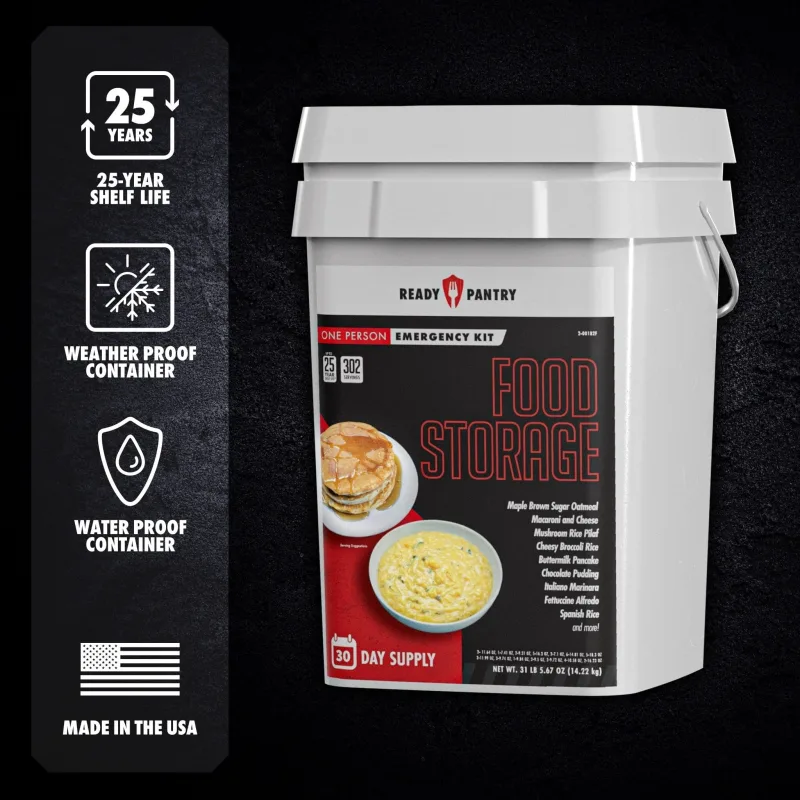
Food should be shelf-stable and require little or no cooking. A 3 Day Food Supply covers a short evacuation, while a One Week Food Supply or a One Month Food Supply gives you a buffer at home if stores close or roads are blocked. Add a reliable fire-starting method — a lighter, stormproof matches, and a ferro rod — plus a knife for cutting cordage, opening packaging, and basic repairs.
Tools, First Aid, and Personal Care
A compact first aid kit and a flashlight are non-negotiable. A headlamp or handheld light frees your hands and makes nighttime repairs possible. Work gloves protect your hands during recovery and cleanup, and safety goggles matter when you are cutting, prying, or clearing debris.
Hygiene is easy to forget and hard to improvise. Body wipes let you stay clean when water is reserved for drinking, and a small supply of trash bags, zip ties, and duct tape solves a surprising number of problems. Keep a written contact list and a printed copy of important documents in a waterproof pouch.
Packing and Storing Your Kit
The best gear is the gear you can actually carry and find. Use a structured bag so items stay organized and you can grab the right thing in the dark. A large duffel works well for a vehicle kit, while a dedicated pack keeps a home kit portable if you need to evacuate.
Check your kit twice a year. Replace expired food and water, test batteries, and recharge power banks. Rotate seasonal items like warm layers and gloves. A short maintenance routine keeps your emergency gear checklist from becoming a collection of dead batteries and expired supplies.
Start with the layer that matters most for your situation — power, recovery, water, or shelter — and build from there. A modest, well-maintained kit beats an expensive one you never open.